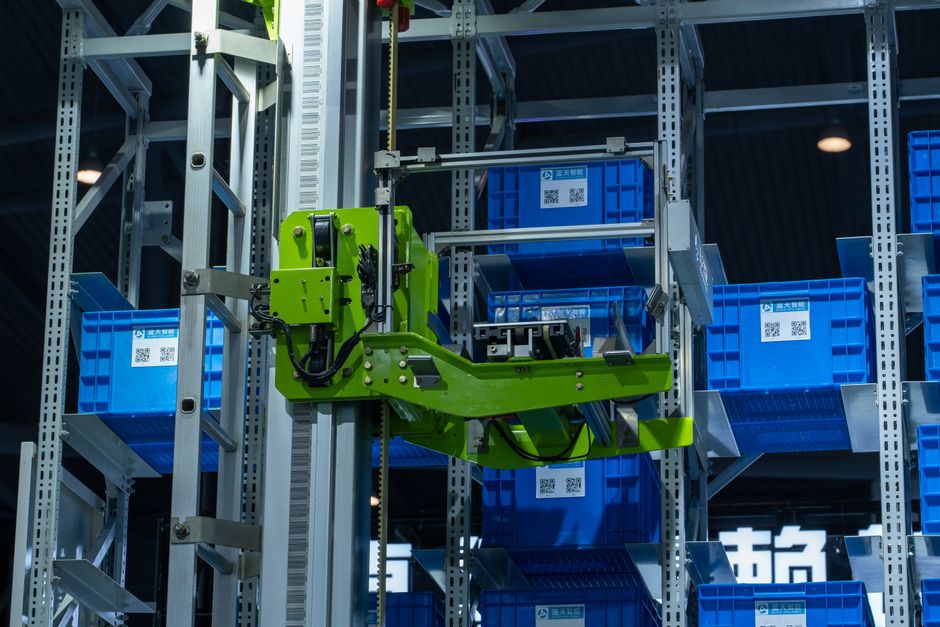
Introduction to AI in Supply Chains
The integration of Artificial Intelligence (AI) into supply chain management is not just a trend; it is a transformative force that is fundamentally altering how businesses approach transparency and ethics. As globalization has increased the complexity of supply chains, the demand for greater visibility and accountability has become more pressing. AI technologies, from machine learning algorithms to predictive analytics, provide innovative solutions to these challenges, enabling companies to enhance transparency and uphold ethical standards in their operations.
In this article, we will explore the pivotal role of AI in reshaping supply chain transparency and ethical practices. We will examine the technologies involved, the benefits they bring, the challenges companies face, and the future outlook of AI in this space.
The Importance of Transparency in Supply Chains
Transparency in supply chains refers to the extent to which a company's operations and sourcing practices are visible and understandable to stakeholders, including consumers, regulators, and investors. In recent years, there has been a significant shift towards transparency driven by several factors:
- Consumer Demand: Modern consumers are increasingly concerned about where their products come from and the ethical implications of their purchases. They seek assurance that their choices do not contribute to unethical practices.
- Regulatory Requirements: Legislation in many regions now mandates greater transparency regarding sourcing practices and labor conditions, compelling companies to adopt more open practices.
- Risk Management: Companies are recognizing that transparency can help mitigate risks related to supply chain disruptions and reputational damage, leading to more resilient operations.
AI technologies enhance transparency by providing real-time data and insights into various stages of the supply chain. This capability allows organizations to track materials from their origin to the end consumer, ensuring that all sourcing practices meet ethical standards.
How AI Enhances Supply Chain Transparency
AI contributes to supply chain transparency in multiple ways:
- Data Analysis: AI can process vast amounts of data from various sources, turning complex information into actionable insights that expose inefficiencies or ethical concerns. This analysis helps companies identify areas for improvement and compliance.
- Blockchain Integration: When combined with blockchain technology, AI can create immutable records of transactions, ensuring that all stakeholders can verify the authenticity and ethical practices of products. This integration fosters trust among consumers and partners.
- Predictive Analytics: AI algorithms can forecast potential supply chain disruptions, allowing companies to proactively address issues before they escalate, thereby maintaining operational continuity.
- Supplier Audits: AI can automate the auditing process of suppliers, quickly assessing compliance with ethical standards and identifying potential risks, which streamlines the monitoring process.
These applications not only improve transparency but also foster trust among consumers and partners, strengthening brand loyalty and corporate reputation. Companies that embrace AI-driven transparency are better positioned to respond to stakeholder demands.
Ethical Considerations in Supply Chain Management
While AI offers significant advantages for transparency, it also raises important ethical questions. Companies must navigate these challenges carefully to ensure that their use of AI aligns with ethical standards. Some key considerations include:
- Bias in Algorithms: AI systems can perpetuate existing biases if not designed and monitored properly, leading to unfair treatment of certain suppliers or labor forces. Companies must actively work to identify and mitigate these biases.
- Data Privacy: The collection and analysis of supply chain data must respect privacy rights and adhere to regulations regarding data protection, ensuring that sensitive information is handled responsibly.
- Accountability: As AI takes on more decision-making roles, companies must remain accountable for the outcomes of these decisions, ensuring that ethical practices are upheld and that there is a clear line of responsibility.
Addressing these ethical challenges requires a commitment to transparency and responsibility in AI implementation. Companies must prioritize ethical considerations alongside technological advancements to create a sustainable supply chain model that aligns with societal values.
Challenges of Implementing AI in Supply Chains
While the benefits of AI in enhancing transparency and ethics in supply chains are clear, several challenges can hinder successful implementation:
- High Initial Costs: The upfront investment required for AI technologies can be a barrier for many organizations, especially smaller businesses that may lack the necessary resources.
- Complexity of Integration: Integrating AI solutions with existing systems can be complex and time-consuming, requiring specialized expertise and a thorough understanding of both the technology and the supply chain.
- Resistance to Change: Employees and management may resist adopting new technologies due to fear of job displacement or a lack of understanding of AI benefits. Effective change management strategies are essential to facilitate this transition.
Overcoming these challenges requires a strategic approach, including investing in training and development, fostering a culture of innovation, and ensuring clear communication about the benefits of AI in supply chain management. By addressing these issues, companies can lay the groundwork for successful AI adoption.
The Future of AI in Supply Chain Transparency and Ethics
Looking ahead, the role of AI in supply chain transparency and ethics is poised to grow even more prominent. As technology continues to evolve, several trends are likely to shape the future landscape:
- Increased Automation: More processes within the supply chain will be automated, leading to greater efficiency and reduced human error, which can enhance overall productivity.
- Enhanced Collaboration: AI will facilitate collaboration among stakeholders, allowing for shared insights and collective decision-making that can drive innovation and responsiveness.
- Sustainability Focus: Companies will increasingly prioritize sustainability in their supply chain practices, using AI to track and reduce their environmental impact, aligning with global sustainability goals.
These developments signify a future where AI not only enhances transparency and ethical standards but also contributes to more sustainable and responsible supply chains. As organizations embrace these trends, they will be better equipped to meet the evolving demands of consumers and regulators alike.
Conclusion
Artificial Intelligence is reshaping the landscape of supply chain transparency and ethics, providing powerful tools to enhance visibility and accountability. While challenges exist, the potential benefits of AI far outweigh the drawbacks when implemented thoughtfully. As companies navigate this evolving landscape, they must remember that the ultimate goal is not just to leverage technology for profit but to create a more ethical, transparent, and sustainable supply chain for the future. By prioritizing these values, businesses can foster trust and loyalty among consumers, paving the way for long-term success.