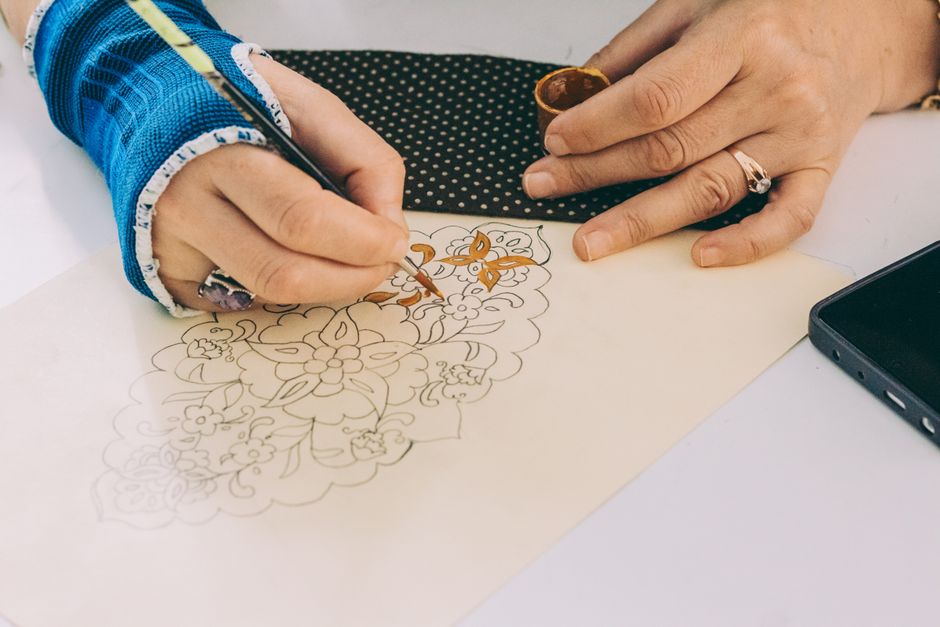
Introduction to Art Therapy
In today's fast-paced world, burnout is becoming increasingly common, especially among remote workers. With the blurred lines between home and work, many individuals find themselves overwhelmed by stress, anxiety, and fatigue. Art therapy emerges as a powerful tool in this context, offering a unique approach to healing and recovery.
Art therapy is a therapeutic practice that uses the creative process of making art to improve a person's mental, emotional, and physical well-being. It allows individuals to express feelings that they might find difficult to articulate through words, making it particularly beneficial for those grappling with the emotional toll of burnout.
The Impact of Remote Work on Mental Health
Remote work has transformed the traditional workplace, bringing both flexibility and challenges. While many appreciate the convenience of working from home, the isolation, lack of structure, and constant connectivity can lead to significant mental health issues.
Research indicates that remote workers often experience heightened levels of stress and anxiety. The absence of face-to-face interactions can lead to feelings of loneliness, while the pressure to remain constantly available can create a toxic work-life balance. Recognizing these challenges is the first step toward effective burnout recovery.
Understanding the Challenges
One of the primary challenges of remote work is the difficulty in separating personal life from professional responsibilities. This often results in extended work hours and diminished downtime, which can exacerbate feelings of burnout. Additionally, the lack of social interaction can lead to a sense of disconnection from colleagues and the organization as a whole.
How Art Therapy Works
Art therapy harnesses the power of creativity to facilitate healing. It is not about creating a perfect piece of art; rather, it is about the process of creation itself. Engaging in artistic activities can help individuals explore their emotions, process experiences, and ultimately find relief from stress.
During art therapy sessions, individuals are encouraged to use various materials and techniques to express themselves. This might include painting, drawing, sculpting, or even digital art. The focus is on self-expression rather than artistic talent, making it accessible for everyone.
The Therapeutic Process
The therapeutic process in art therapy often involves guided sessions led by a trained therapist who can help participants navigate their emotions through creative expression. This structured approach can provide a safe space for individuals to explore their feelings and experiences related to burnout.
Benefits of Art Therapy for Burnout Recovery
Art therapy offers numerous benefits for those dealing with burnout. Here are some of the key advantages:
- Emotional Release: Engaging in art can provide a safe outlet for pent-up emotions, helping individuals to process feelings of stress and anxiety.
- Enhanced Self-Awareness: The creative process encourages reflection, enabling individuals to gain insights into their thoughts and behaviors.
- Stress Reduction: Creating art can be a meditative experience, promoting relaxation and reducing stress levels.
- Improved Problem-Solving Skills: The artistic process encourages innovative thinking, which can translate to improved problem-solving in work situations.
- Community Connection: Participating in group art therapy can foster connections with others, combating feelings of isolation.
Practical Application of Art Therapy in Remote Work Settings
Incorporating art therapy into daily routines can be simple and effective. Here are several practical strategies:
- Set Up a Creative Workspace: Designate a space in your home for creative activities. Stock it with art supplies like paper, paints, and markers to encourage spontaneous creativity.
- Schedule Regular Art Breaks: Just as you would schedule a coffee break, allocate time for art creation. This could be as short as 15 minutes each day to unwind and express yourself.
- Join Online Art Therapy Groups: Many organizations offer virtual art therapy sessions. These can provide structure and community, making the creative process more enjoyable.
- Explore Art Apps: There are numerous apps that facilitate digital art creation. These can be a fun way to engage in art therapy, especially for those who prefer technology.
Conclusion: Embracing Creativity for Recovery
As the prevalence of remote work continues to rise, the importance of mental health cannot be overstated. Art therapy provides a valuable tool for individuals seeking to combat burnout and reclaim their well-being. By embracing creativity, remote workers can find solace, express their emotions, and ultimately foster a healthier work-life balance.
Whether through painting, drawing, or other artistic endeavors, the act of creating can be profoundly healing. It invites individuals to step away from their screens, reconnect with themselves, and rediscover joy in the creative process. As we navigate the complexities of modern work life, let us not forget the power of art in our journey toward recovery.