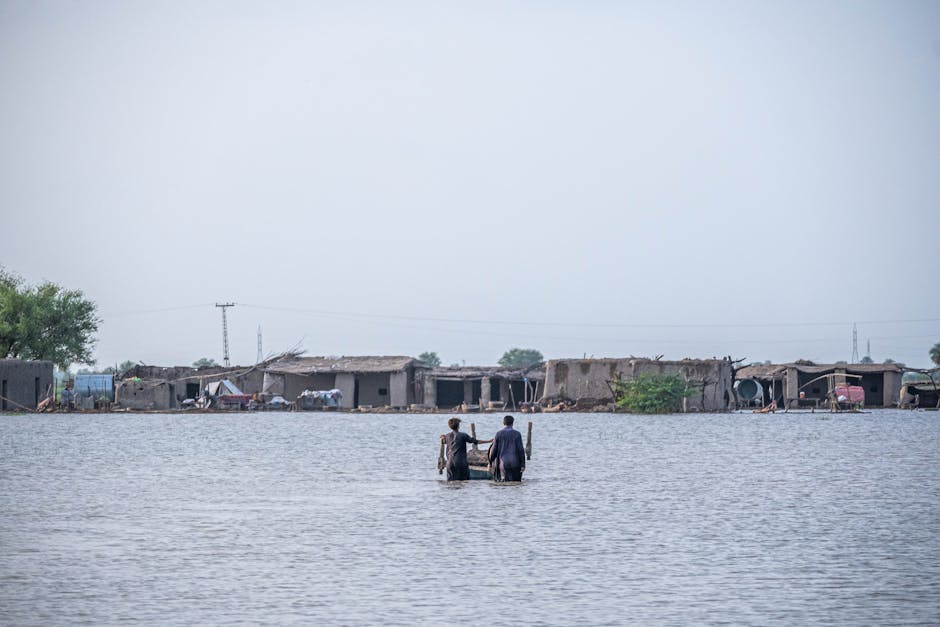
Introduction to Community Resilience
As climate change increasingly impacts societies worldwide, the concept of community resilience has gained prominence as a vital approach to adaptation. Community resilience refers to the ability of a community to anticipate, prepare for, respond to, and recover from adverse events, particularly those related to environmental changes. This proactive stance is essential for ensuring that communities can withstand the effects of extreme weather, rising sea levels, and other climate-related challenges.
The rise of community resilience is driven by a combination of factors, including the growing recognition of local knowledge and the importance of social networks. Communities that are empowered to act collectively often have better outcomes in disaster recovery and adaptation practices. This article will explore the various dimensions of community resilience and how it is being integrated into climate change adaptation strategies.
Dimensions of Community Resilience
Community resilience encompasses several interrelated dimensions, including social, economic, and environmental aspects. Each of these dimensions plays a role in how effectively communities can adapt to climate change.
- Social Resilience: This dimension focuses on the strength of social networks and community bonds. Strong social ties enable communities to mobilize resources and support each other in times of crisis. For example, neighborhoods with established communication channels and trust among residents are more likely to respond effectively to disasters.
- Economic Resilience: Economic stability is essential for a community's ability to recover from climate impacts. Communities that invest in sustainable practices, such as renewable energy and local food systems, can enhance their economic resilience. These initiatives not only create jobs but also reduce dependence on external resources.
- Environmental Resilience: This aspect involves maintaining and restoring natural ecosystems, which can provide essential services like flood protection and clean air. Communities that prioritize green infrastructure and conservation efforts are better equipped to face climate-related challenges.
Strategies for Building Community Resilience
To effectively build community resilience, various strategies can be implemented at the local level. These strategies often involve collaboration between community members, local governments, and organizations. Here are some key approaches:
- Education and Awareness: Raising awareness about climate change and its potential impacts is crucial. Educational programs can empower community members to take action and prepare for future challenges. Workshops, seminars, and community events can serve as platforms for sharing knowledge and fostering dialogue.
- Participatory Planning: Involving community members in the planning process ensures that local needs and perspectives are considered. Participatory planning encourages ownership and commitment to resilience initiatives. It also helps identify specific vulnerabilities and resources within the community.
- Investment in Infrastructure: Developing resilient infrastructure is vital for protecting communities from climate impacts. This includes upgrading drainage systems, constructing storm-resistant buildings, and enhancing public transportation. Investments in infrastructure can significantly reduce vulnerability to disasters.
- Strengthening Local Economies: Supporting local businesses and promoting sustainable practices can enhance economic resilience. Initiatives such as farmers' markets, local procurement policies, and green business support programs can stimulate economic growth while reducing environmental impact.
Case Studies of Successful Community Resilience Initiatives
Numerous communities worldwide have implemented successful resilience initiatives that serve as models for others. For instance:
- New York City: In the aftermath of Hurricane Sandy, New York City launched a comprehensive resilience strategy that involved upgrading infrastructure, improving emergency response systems, and enhancing public spaces. The city engaged residents in the planning process and prioritized vulnerable neighborhoods.
- New Orleans: Post-Katrina, New Orleans has focused on community-led initiatives to rebuild and enhance resilience. Efforts include investing in green infrastructure, restoring natural habitats, and fostering community engagement in decision-making processes.
- Somerset, England: This community implemented a flood resilience project, which involved creating flood storage areas and improving drainage systems. Local farmers were engaged to adopt land management practices that reduce runoff and enhance soil health.
The Role of Technology in Enhancing Resilience
Technology plays a significant role in enhancing community resilience. From data collection and analysis to communication tools, technology can support adaptation efforts in various ways:
- Data-Driven Decision Making: Utilizing data analytics helps communities understand their vulnerabilities and risks. Geographic Information Systems (GIS) can map areas prone to flooding or heat stress, enabling targeted interventions.
- Early Warning Systems: Advances in technology have led to the development of sophisticated early warning systems that alert communities to impending disasters. These systems can save lives and reduce property damage by enabling timely evacuations and preparations.
- Social Media and Communication: Social media platforms facilitate real-time communication and information sharing during emergencies. They enable communities to coordinate responses and support each other effectively.
Conclusion: The Future of Community Resilience
The rise of community resilience in climate change adaptation reflects a shift towards localized, collaborative approaches in facing environmental challenges. By fostering social bonds, strengthening local economies, and leveraging technology, communities can enhance their ability to adapt and thrive despite climate disruptions.
As climate change continues to evolve, the importance of community resilience will only grow. It is essential for policymakers, organizations, and community members to work together to build a sustainable future that prioritizes resilience and collective action. Investing in community resilience not only prepares us for climate impacts but also cultivates a spirit of cooperation, innovation, and hope for generations to come.