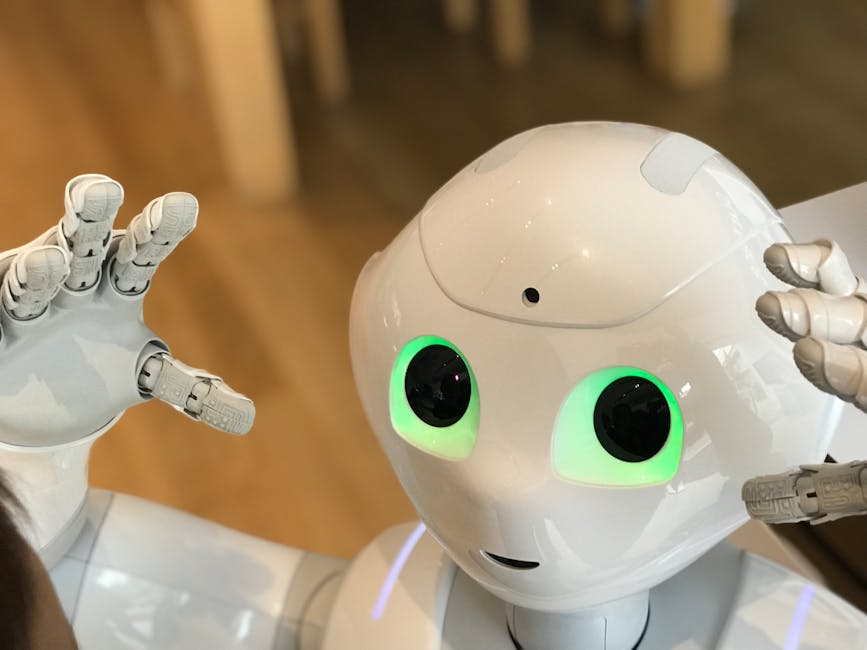
Introduction to AI and Human Emotions
As technology continues to advance, the integration of artificial intelligence (AI) into various aspects of our daily lives raises an intriguing question: can machines truly understand human emotions? This exploration of AI's capabilities in interpreting our emotional states highlights the ongoing efforts to enhance machines' emotional intelligence (EI). From customer service bots to advanced robotics, the potential for machines to grasp the nuances of human feelings can revolutionize how we interact with technology.
Understanding emotions is a complex endeavor, rooted in the subtleties of human communication, including facial expressions, tone of voice, and contextual cues. This complexity presents both challenges and opportunities for AI developers as they strive to create systems that can not only recognize but also respond appropriately to human emotions. As we delve deeper into this subject, it becomes evident that the journey toward emotionally intelligent AI is a multifaceted one, requiring a blend of technology, psychology, and ethics.
The Science Behind Emotional Intelligence
Emotional intelligence encompasses the ability to recognize, understand, and manage one’s own emotions while also being able to recognize and influence the emotions of others. In humans, this skill is honed through social interactions and experiences. For AI to emulate this capability, it must rely on sophisticated algorithms that can analyze vast amounts of data to identify patterns related to emotional responses. The quest for AI to develop emotional intelligence is not merely about recognition; it is also about understanding the context and the subtleties that come with human emotions.
Current AI systems leverage techniques such as natural language processing (NLP) and machine learning to interpret emotional cues. By training on diverse datasets containing human interactions, these systems learn to recognize specific phrases, intonations, and even facial expressions associated with various emotions. However, the challenge remains in achieving a level of understanding that can rival human intuition. The complexity of human emotions, influenced by personal experiences and cultural backgrounds, adds layers of difficulty to this task.
How AI Recognizes Emotions
AI's approach to recognizing emotions typically involves several steps:
- Data Collection: AI systems gather data from various sources, including text, audio, and visual inputs. This data serves as the foundation for understanding emotional expressions.
- Feature Extraction: The AI then identifies key features, such as tone, word choice, and visual cues that may indicate emotional states. This step is crucial for accurate interpretation.
- Model Training: Using machine learning algorithms, the AI is trained on labeled datasets to associate specific features with corresponding emotions. This training process is iterative and requires continuous refinement.
- Prediction: Once trained, the AI can analyze new inputs and predict emotional responses based on its learned models. This predictive ability is what enables AI to engage in more human-like interactions.
This process illustrates how machines can begin to approach an understanding of human emotions. However, it is essential to acknowledge the limitations inherent in these systems. For instance, cultural differences can dramatically influence emotional expression, and AI may struggle to accurately interpret these nuances. The potential for misunderstanding can lead to miscommunication, highlighting the need for ongoing improvements in AI's emotional recognition capabilities.
The Challenges of Emotion Recognition
Despite significant advances, several challenges hinder AI's ability to fully comprehend human emotions:
- Contextual Understanding: Emotions are often context-dependent, and AI may misinterpret emotional signals if it lacks sufficient context. For example, sarcasm or humor can be particularly challenging for AI to detect.
- Subtlety of Emotions: Human emotions can be complex and layered. For example, someone might express sadness while hiding anger, a nuance that AI may overlook. This complexity requires AI to develop a more sophisticated understanding of emotional dynamics.
- Cross-Cultural Variations: Emotional expressions can vary widely across cultures, and AI systems may not be universally effective in recognizing these differences. What is considered a sign of happiness in one culture may be interpreted differently in another.
- Ethical Considerations: The use of AI in emotional contexts raises ethical questions about privacy, consent, and the potential for manipulation. Ensuring that AI respects individual privacy and autonomy is paramount.
These challenges underscore the need for continued research and development to enhance AI's emotional recognition capabilities while ensuring ethical standards are met. As AI technology evolves, it is crucial to remain vigilant about the implications of its use in sensitive emotional contexts.
Applications of Emotionally Intelligent AI
Despite its limitations, AI's ability to recognize and respond to human emotions has opened doors to various applications:
- Customer Service: AI-driven chatbots can gauge customer emotions and adjust their responses accordingly, improving user experience. This adaptability can lead to higher customer satisfaction and loyalty.
- Healthcare: Emotionally intelligent AI can assist healthcare providers in monitoring patients' mental health by analyzing their emotional state through interactions. This capability can be invaluable in providing timely support and interventions.
- Education: AI can personalize learning experiences by recognizing students' emotional responses to different teaching methods. Tailoring educational approaches to individual emotional states can enhance learning outcomes.
- Entertainment: In gaming and interactive media, AI can create more immersive experiences by adapting to players' emotional states. This responsiveness can lead to deeper engagement and enjoyment.
These applications demonstrate the potential for AI to enhance human-computer interactions, making them more intuitive and responsive to emotional needs. As these technologies continue to develop, they may transform industries by fostering deeper connections between humans and machines.
The Future of AI and Human Emotion
As we look to the future, the relationship between AI and human emotions will likely evolve significantly. Ongoing advancements in machine learning, particularly in deep learning and neural networks, may enable AI to develop a deeper understanding of emotional nuances. Furthermore, interdisciplinary collaboration between psychologists, ethicists, and technologists will be crucial in shaping the development of emotionally intelligent AI. This collaboration can ensure that AI systems are designed with a comprehensive understanding of human emotional complexity.
Moreover, ethical frameworks will need to be established to guide the responsible use of AI in emotional contexts. As machines become more adept at interpreting human emotions, society must address the implications of this technology on privacy, consent, and emotional manipulation. Developing guidelines that prioritize ethical considerations will be essential to fostering trust in AI systems.
Conclusion: The Path Forward
In conclusion, while AI is making strides in understanding human emotions, it is clear that significant challenges remain. The complexity of human emotional expression poses hurdles that machines must overcome to achieve true emotional intelligence. However, the potential benefits of emotionally aware AI are vast, offering improved interactions across various fields.
As researchers continue to refine AI's capabilities, it is essential to balance technological advancement with ethical considerations. By fostering a responsible approach to the development of emotionally intelligent systems, we can harness the power of AI to enhance our understanding of human emotions while safeguarding the values that define our humanity. The journey toward emotionally intelligent AI is not just a technological challenge; it is a profound exploration of what it means to be human in an increasingly automated world.