Introduction to Local Art Movements
In recent years, local art movements have gained traction in many urban areas, particularly those undergoing gentrification. These movements often arise as a response to the rapid changes in neighborhoods, where traditional communities face the challenges of cultural displacement. Artists, activists, and residents come together to create a tapestry of cultural narratives that reflect their shared experiences, struggles, and aspirations.
As cities evolve and new demographics move in, the rich history and identity of long-standing neighborhoods can be overshadowed. Local art movements challenge this trend by infusing new perspectives into the cultural landscape, giving a voice to those often marginalized in the narrative of urban development. By reclaiming public spaces and transforming them into platforms for artistic expression, these movements not only preserve local heritage but also foster a dialogue about the future of these communities.
The Role of Art in Gentrification
Gentrification is a complex phenomenon that involves the transformation of urban spaces through the influx of wealthier populations, often at the expense of low-income residents. While this can lead to improved infrastructure and services, it also raises concerns about cultural erasure and displacement. The arts can play a dual role in this context, serving both as a tool for revitalization and as a means of resistance.
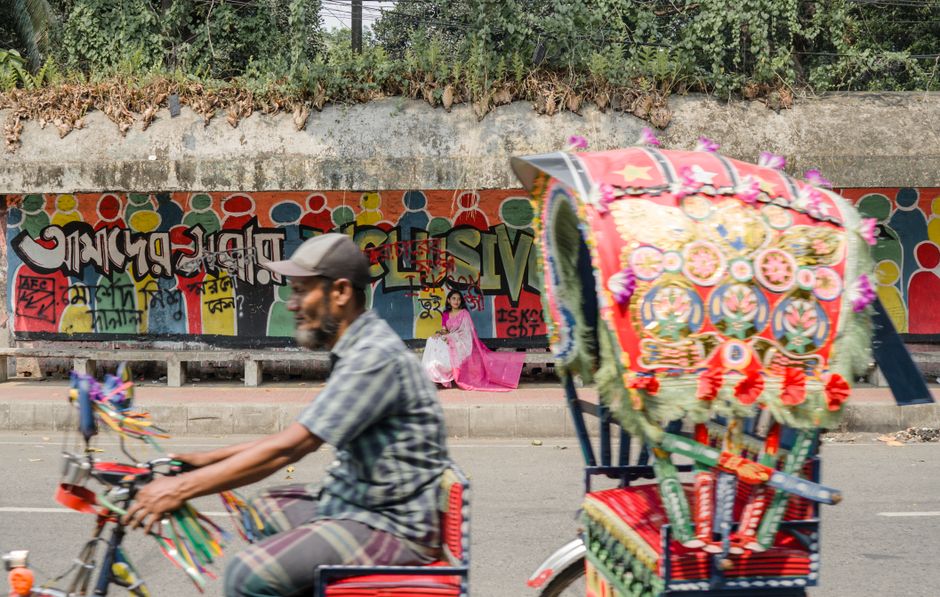
Local artists play a crucial role in this process by using art as a form of resistance. Through murals, installations, and performances, they highlight the history and culture of their neighborhoods, challenging dominant narratives that often overlook the contributions of existing communities. By embedding their work within the local context, artists can create pieces that resonate deeply with residents, fostering a sense of pride and ownership.
Case Studies of Impactful Local Art Movements
Several cities have witnessed remarkable local art movements that have significantly influenced gentrifying neighborhoods. For instance, in Brooklyn, New York, the Bushwick Collective has transformed the area into an open-air gallery. This initiative not only beautifies the neighborhood but also fosters a sense of ownership and pride among residents. The murals created by local and international artists serve as a visual narrative of the community's identity and history.
Similarly, in San Francisco, the Mission District’s art scene has become a focal point for cultural preservation. Local artists use their work to address issues of displacement and advocate for the rights of long-time residents. Events like the Mission Arts Festival have become platforms for showcasing art that tells the story of the neighborhood and its inhabitants. These gatherings not only celebrate artistic expression but also serve as a rallying point for community activism.
Community Engagement and Art as a Catalyst for Change
Local art movements are not just about aesthetics; they are deeply intertwined with community engagement. Artists often collaborate with residents to create works that reflect collective identities and experiences. This participatory approach empowers individuals to express their stories and fosters a sense of belonging. Workshops, community meetings, and collaborative projects allow for diverse voices to be heard, ensuring that the art produced is representative of the community's values and aspirations.
Art also serves as a catalyst for social change. By addressing pressing issues such as housing inequality, racial injustice, and environmental concerns, artists raise awareness and inspire action within their communities. Projects like community murals and public installations often spark conversations about the future of neighborhoods and the need for inclusive urban policies. Through these dialogues, art becomes a powerful medium for advocating for social justice and equity.
The Future of Art in Gentrifying Neighborhoods
As gentrification continues to reshape urban landscapes, the role of local art movements will become increasingly vital. The challenge will be to maintain the authenticity of these movements while navigating the complexities of commercialization and displacement. Artists must remain vigilant in their commitment to their communities, ensuring that their work continues to reflect the lived experiences of residents.
To ensure that art remains a vehicle for cultural expression and community identity, it is essential for artists and residents to collaborate with policymakers and urban planners. By doing so, they can advocate for inclusive practices that honor the history and diversity of neighborhoods. Initiatives that prioritize local artists and community input in urban development can help mitigate the negative impacts of gentrification.
Conclusion
Local art movements are redefining cultural narratives in gentrifying neighborhoods by giving voice to marginalized communities and fostering a sense of identity amidst change. Through artistic expression, these movements challenge dominant narratives and encourage community engagement, ultimately playing a crucial role in shaping the future of urban spaces. As cities continue to evolve, the integration of local art into the fabric of neighborhoods will be essential in preserving their unique cultural identities. By championing the stories and experiences of long-standing residents, local art movements can ensure that the rich tapestry of urban life is celebrated and sustained for generations to come.