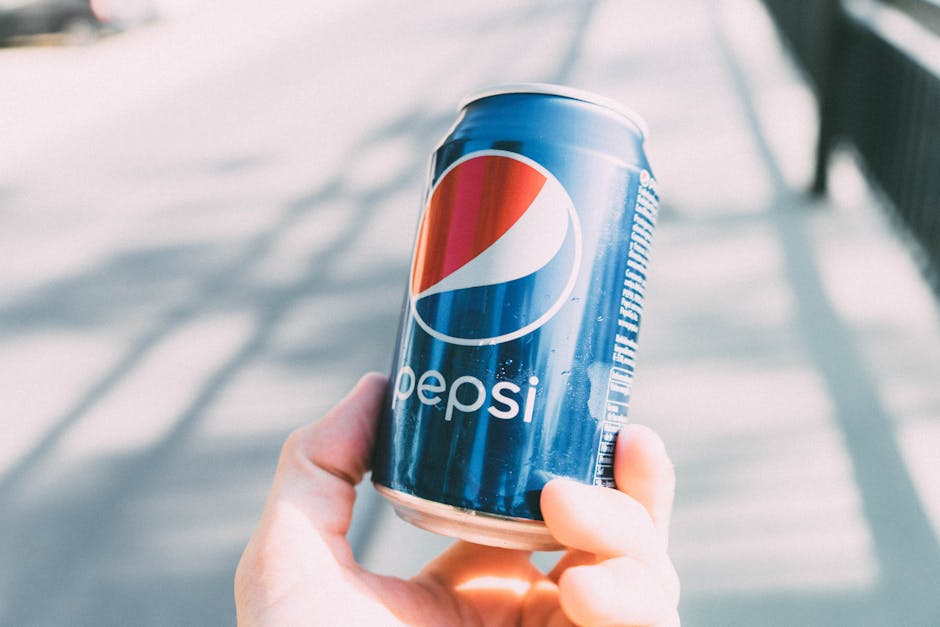
Introduction to PepsiCo, Inc.
PepsiCo, Inc., headquartered in Purchase, New York, is a multinational food and beverage corporation renowned for its diverse product portfolio that includes iconic brands such as Pepsi, Gatorade, Tropicana, and Frito-Lay. As one of the largest players in the global snack and beverage industry, PepsiCo caters to a wide range of consumer tastes and preferences, positioning itself as a leader in innovative product development and strategic market expansion.
Founded in 1965 through the merger of Pepsi-Cola and Frito-Lay, PepsiCo has significantly evolved over the decades, adapting to changing market dynamics and shifting consumer demands. The company operates in more than 200 countries and territories, employing over 290,000 people worldwide. This extensive reach allows PepsiCo to leverage local market insights and consumer trends, ensuring its products resonate with diverse audiences.
Recent Developments and Innovations
In recent years, PepsiCo has made significant strides in enhancing its product offerings and sustainability initiatives. The company has launched several new products aimed at health-conscious consumers, reflecting a growing trend towards healthier eating habits. For instance, PepsiCo introduced a range of low-calorie and zero-sugar beverages, catering to the increasing demand for healthier options. These innovations not only meet consumer preferences but also align with broader public health goals.
Additionally, PepsiCo has invested heavily in sustainable practices. The company has committed to reducing plastic waste by improving packaging and increasing the use of recycled materials. As part of its sustainability agenda, PepsiCo aims to achieve net-zero emissions by 2040, demonstrating its dedication to environmental stewardship. This commitment to sustainability is not just a corporate responsibility but also a strategic advantage in appealing to environmentally conscious consumers.
Market Context and Competitive Landscape
The beverage and snack industry is highly competitive, with key players including Coca-Cola, Nestlé, and Kraft Heinz. PepsiCo competes vigorously with these companies, leveraging its strong brand recognition and extensive distribution network. The company’s ability to innovate and adapt has allowed it to maintain a robust market position despite fluctuations in consumer preferences and economic conditions. In a market where brand loyalty is crucial, PepsiCo's diverse portfolio helps mitigate risks associated with changing consumer tastes.
As of 2023, the global snack market is expected to reach $600 billion, driven by changing consumer lifestyles and the growing inclination towards on-the-go snacks. PepsiCo's diverse product range positions it well to capitalize on this growth opportunity, particularly in emerging markets where there is a rising middle class. This demographic shift presents a significant opportunity for PepsiCo to introduce new products tailored to local tastes and preferences.
Financial Performance Overview
PepsiCo's financial performance has remained resilient, with steady revenue growth year-over-year. In its most recent earnings report, the company reported a revenue of $86 billion for the fiscal year 2022, reflecting a 9% increase compared to the previous year. This growth was driven by strong sales in both its beverage and snack segments, showcasing the effectiveness of its marketing strategies and product innovation.
The company's net income for 2022 was approximately $9.4 billion, showcasing its ability to generate profit amidst a challenging economic landscape. PepsiCo's strong performance can be attributed to its strategic investments in marketing, innovation, and supply chain efficiency. These factors not only enhance profitability but also position the company for future growth in a competitive market.
Future Outlook and Strategic Initiatives
Looking ahead, PepsiCo aims to strengthen its market position through strategic initiatives. The company plans to expand its product portfolio by introducing more health-focused options, tapping into the growing demand for plant-based foods and beverages. This shift towards health-oriented products is not only a response to consumer demand but also a proactive measure to align with global health trends.
Furthermore, PepsiCo is investing in digital transformation to enhance its consumer engagement and streamline operations. By leveraging technology, the company aims to improve customer experiences and optimize its supply chain, ensuring efficiency and responsiveness to market changes.
PepsiCo is also focusing on geographic expansion, particularly in high-growth regions such as Asia and Africa. By establishing a stronger presence in these markets, PepsiCo hopes to capture new consumer segments and drive future growth. This strategic focus on emerging markets is critical, as these regions are expected to contribute significantly to global consumption in the coming years.
Conclusion
In conclusion, PepsiCo, Inc. continues to be a dominant force in the beverage and snack industry. With its commitment to innovation, sustainability, and market expansion, the company is well-positioned to navigate the challenges of a rapidly evolving market landscape. As consumer preferences shift towards healthier and more sustainable options, PepsiCo's proactive approach will likely sustain its competitive edge and drive long-term growth. The company's strategic initiatives and focus on emerging markets will be key to its continued success in the global marketplace.