Introduction
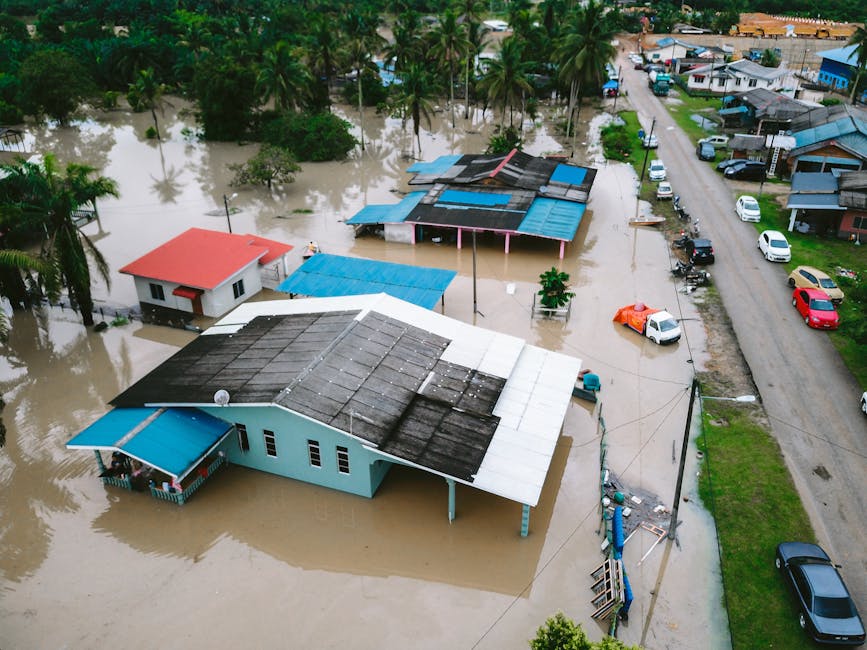
As climate change continues to escalate, its impacts are profoundly felt by coastal communities around the globe. From increasing sea levels to more frequent and severe storms, the traditional concept of home is undergoing significant transformation. For many, home has long been a place of stability and comfort. However, for those living in vulnerable coastal areas, this stability is increasingly threatened. This article explores how climate change is redefining the concept of home for these communities, highlighting the challenges they face and the innovative adaptations they are implementing.
The Threat of Rising Sea Levels
One of the most immediate threats to coastal communities is the rising sea levels caused by climate change. According to scientific projections, sea levels could rise by up to 3 feet by the end of the century, displacing millions of people worldwide. Coastal cities like New Orleans, Miami, and Jakarta face the risk of becoming uninhabitable.
As homes and neighborhoods are increasingly inundated, families are forced to make difficult decisions about their futures. Some may choose to relocate inland, leaving behind generations of history and community ties. Others may opt to stay and adapt their homes to be more resilient against flooding. These decisions are not merely personal; they impact the very fabric of local cultures and identities.
Impacts on Local Economies
The economic implications of rising sea levels are equally concerning. Coastal communities often rely on industries such as fishing, tourism, and shipping, all of which are vulnerable to climate change. As these industries face disruption, the livelihoods of residents are at stake, further complicating the decision-making process regarding whether to stay or leave.
Displacement and the Search for New Solutions
Displacement is a harsh reality for many coastal residents. As properties become unlivable, some communities are considering managed retreat, a strategy that involves relocating entire neighborhoods away from vulnerable areas. This is a complex and often contentious process that requires cooperation among governments, residents, and various stakeholders.
Innovative solutions are emerging in response to these challenges. Some communities are investing in elevated housing, which can withstand flooding and storm surges. Others are implementing green infrastructure solutions, such as restoring wetlands, which can act as natural buffers against rising tides. These adaptations not only protect homes but also enhance the ecological health of coastal areas.
Community Engagement and Policy Change
Community engagement is crucial in these adaptation efforts. Local governments and organizations are increasingly involving residents in decision-making processes, ensuring that the voices of those most affected are heard. This collaborative approach fosters a sense of ownership and responsibility, empowering communities to advocate for policies that prioritize their safety and sustainability.
Community Resilience and Transformation
Resilience is a key theme in how coastal communities are redefining home. The concept of resilience involves not only the physical durability of homes but also the social and economic strength of communities. As families and individuals adapt to the realities of climate change, they are finding new ways to support one another.
Community-led initiatives are becoming common, with residents coming together to advocate for sustainable practices and policy changes. These grassroots movements are empowering individuals to take charge of their futures and redefine what home means in the context of climate adaptation. By fostering a sense of belonging and shared purpose, communities are not just surviving but thriving in the face of adversity.
Building Social Networks
As communities face the challenges of climate change, the importance of social networks becomes evident. Neighbors are banding together to share resources, knowledge, and emotional support. This interconnectedness not only strengthens individual resilience but also enhances the overall capacity of communities to adapt to changing circumstances.
Redefining the Concept of Home
As climate change continues to reshape the landscape, the definition of home is evolving. For many, home is no longer just a physical structure; it embodies a sense of community, resilience, and adaptability. The emotional ties to a place remain strong, even as the physical characteristics of that place change dramatically.
In some cases, the notion of home is expanding to include a broader definition of what it means to belong to a community. For example, as some residents are displaced, they may find new homes in different locations, forming new networks and connections. This adaptability highlights the human spirit's resilience and the importance of community bonds in navigating change.
Conclusion: A Future of Hope and Adaptation
While climate change presents significant challenges to coastal communities, it also offers opportunities for innovation and transformation. The ongoing evolution of what home means in these contexts reflects a broader societal shift toward sustainability and resilience. By embracing adaptability and fostering community, coastal residents are not just responding to climate change; they are redefining their futures.
As we look towards the future, it is crucial to support these communities through policies, resources, and education that enable them to thrive despite the challenges of a changing climate. The journey of redefining home in the face of climate change is a testament to the strength and resilience of human communities, reminding us that even amid adversity, hope and adaptation can prevail.