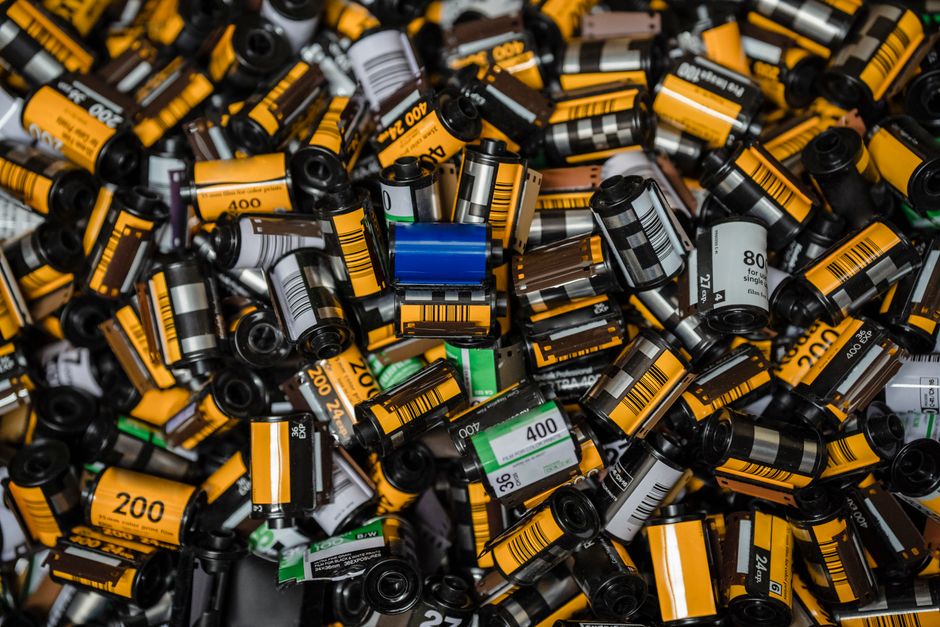
Introduction to Analog Photography's Resurgence
In recent years, analog photography has seen a remarkable resurgence despite the dominance of digital technology. This revival is not merely a trend but a movement that reflects a deeper yearning for artistic authenticity and tactile experiences. As digital cameras and smartphones continue to proliferate, many photographers are turning back to film, discovering the unique qualities that analog processes offer.
The appeal of analog photography lies in its distinct characteristics, which provide a counterpoint to the immediacy of digital photography. Each image captured on film embodies a sense of permanence and intentionality that resonates with both amateur and professional photographers. This article explores the reasons behind this resurgence, the community it fosters, and the future of analog photography in a digital world.
The Allure of Film: What Makes Analog Photography Special?
One of the most compelling aspects of analog photography is the aesthetic quality of film. The grain, color rendition, and dynamic range of film can create images that many photographers find more visually appealing than their digital counterparts. Unlike digital images, which can sometimes feel overly polished, film captures a rawness that many see as authentic.
Moreover, the process of shooting with film often requires greater deliberation. Photographers must think critically about each shot, considering factors such as exposure and composition, before pressing the shutter. This intentionality fosters a deeper connection between the photographer and their subject, often resulting in more meaningful images.
Nostalgia and the Emotional Connection
Nostalgia plays a significant role in the revival of analog photography. For many, film photography evokes cherished memories of the past, whether it's the smell of developing chemicals in a darkroom or the excitement of waiting for prints to be developed. This emotional connection is powerful, drawing individuals back to a practice that feels both personal and historic.
In addition, the tactile nature of film photography—loading film into a camera, manually adjusting settings, and waiting to see the results—creates a sensory experience that digital photography often lacks. The physicality of film can lead to a more engaged and thoughtful photographic practice.
Building Communities Through Analog Photography
The resurgence of analog photography has also led to the formation of vibrant communities. Enthusiasts gather in workshops, online forums, and social media groups to share their experiences, techniques, and results. These communities celebrate the art of film and promote collaboration among photographers of all skill levels.
Social media platforms, in particular, have played a crucial role in connecting analog photographers. The use of hashtags such as #FilmIsNotDead and #ShootFilm has created a shared space where individuals can showcase their work and inspire one another. This sense of belonging fosters a supportive environment that encourages creativity and experimentation.
Workshops and Learning Opportunities
Many communities host workshops that teach the fundamentals of analog photography, from loading film to developing prints. These hands-on experiences allow participants to learn from seasoned photographers and gain confidence in their skills. Workshops not only serve as educational platforms but also as social gatherings where like-minded individuals can connect and share their passion for photography.
The Role of Technology in Analog Photography
While analog photography may seem at odds with modern technology, advancements in the field have enhanced the experience for many users. Innovations such as improved film stocks and digital tools for editing and sharing have made it easier for photographers to enjoy the best of both worlds.
For instance, many photographers now use digital tools to scan their film images, allowing for easy sharing on social media and personal websites. This hybrid approach combines the aesthetic appeal of film with the convenience of digital technology, enabling photographers to reach wider audiences without sacrificing their artistic vision.
Film Stocks and Equipment Evolution
The availability of a wide range of film stocks has expanded the creative possibilities for photographers. From black-and-white to vibrant color films, the choices cater to various artistic styles and preferences. Additionally, the resurgence of interest has prompted manufacturers to reintroduce classic film stocks and even develop new formulations that appeal to modern sensibilities.
Camera equipment has also evolved, with a resurgence in demand for vintage cameras and new models that embrace analog principles. This blend of old and new allows photographers to choose equipment that best suits their shooting style while embracing the nostalgia of traditional photography.
Challenges and Considerations
Despite its many advantages, analog photography does come with challenges. The cost of film and developing can add up quickly, making it a more expensive hobby compared to digital photography. Additionally, the availability of film and processing services may vary depending on location, potentially limiting access for some photographers.
Furthermore, the learning curve associated with analog photography can be steep for beginners. Understanding exposure, composition, and development techniques requires time and dedication. However, many enthusiasts find that the rewards of mastering these skills far outweigh the initial challenges.
Environmental Considerations
As environmental awareness grows, some photographers are reevaluating the ecological impact of their practices. The production and disposal of film can pose challenges, leading to discussions about sustainability in photography. Fortunately, many analog photographers are actively seeking eco-friendly alternatives, such as using reusable materials and supporting companies that prioritize sustainable practices.
The Future of Analog Photography
The future of analog photography appears promising, with a growing interest among younger generations. As digital saturation increases, many are drawn to the unique qualities of film that offer an alternative to the fast-paced digital landscape. This trend suggests that analog photography will continue to thrive as a niche yet vibrant community.
In addition, collaborations between analog photographers and digital artists are becoming more common, leading to innovative projects that blend both mediums. These partnerships highlight the adaptability of photography as an art form and emphasize the importance of creative exploration.
Conclusion: Embracing the Analog Experience
The resurgence of analog photography in a digital-dominated world speaks to a collective desire for authenticity and creativity. As photographers embrace the unique qualities of film, they are not only preserving a rich artistic tradition but also fostering a community that celebrates shared experiences and creativity. The future of photography, whether analog or digital, is undoubtedly exciting, as it continues to evolve in response to changing artistic landscapes and technological advancements.