Introduction to Biophilic Design
In recent years, biophilic design has emerged as a transformative approach to architecture, emphasizing the integration of natural elements into urban spaces. This design philosophy seeks to reconnect individuals with nature, a relationship that has been increasingly strained in our fast-paced, technology-driven world. By incorporating natural light, vegetation, and organic materials, biophilic design aims to create healthier, more enjoyable environments.
The concept of biophilia, which translates to 'love of life or living systems,' is rooted in the belief that humans have an inherent connection to nature. This connection is not merely an aesthetic choice but a critical component of mental and physical well-being. As cities expand and populations grow, the need to incorporate nature into the built environment becomes more pressing.
The Principles of Biophilic Design
Biophilic design can be broken down into several core principles that guide architects and designers in creating spaces that foster well-being and sustainability.
- Natural Light: Maximizing natural light within buildings can significantly enhance mood and productivity. Large windows, skylights, and open spaces help to flood interiors with sunlight.
- Green Spaces: Incorporating plants, gardens, and green roofs not only beautifies urban settings but also improves air quality and provides habitats for wildlife.
- Natural Materials: Using materials that reflect the natural environment, such as wood, stone, and clay, can create a warm and inviting atmosphere.
- Views of Nature: Designing spaces with views of outdoor landscapes can provide mental relief and reduce stress, enhancing the overall user experience.
- Water Features: The sound and sight of water can have a calming effect, making the inclusion of fountains or ponds in design plans beneficial.
These principles are not just theoretical; they have been backed by extensive research demonstrating the positive effects of biophilic environments on human health. Studies show that exposure to nature can lower stress levels, improve cognitive function, and enhance mood.
Benefits of Biophilic Design in Urban Settings
Integrating biophilic design into urban architecture offers numerous benefits, particularly in densely populated areas where access to natural environments may be limited.
- Enhanced Well-Being: Biophilic design promotes physical and mental health by reducing stress and fostering a sense of calm. This is particularly important in urban environments where noise and pollution can take a toll on residents.
- Increased Productivity: Workplaces designed with biophilic principles have been shown to boost employee productivity and creativity, leading to better outcomes for businesses.
- Environmental Sustainability: By utilizing natural materials and promoting green spaces, biophilic design contributes to sustainability efforts, helping to mitigate urban heat islands and improve biodiversity.
- Community Engagement: Public spaces that incorporate nature can foster community interaction, encouraging social cohesion and a sense of belonging.
As urban planners and architects recognize the importance of these benefits, the adoption of biophilic design continues to grow, transforming city landscapes into healthier, more vibrant environments.
Real-World Examples of Biophilic Design
Several cities around the world have embraced biophilic design, showcasing its potential to enhance urban living.
- The High Line, New York City: This elevated park, built on a former railway line, features lush gardens, seating areas, and stunning views of the city, providing a green oasis amidst urban chaos.
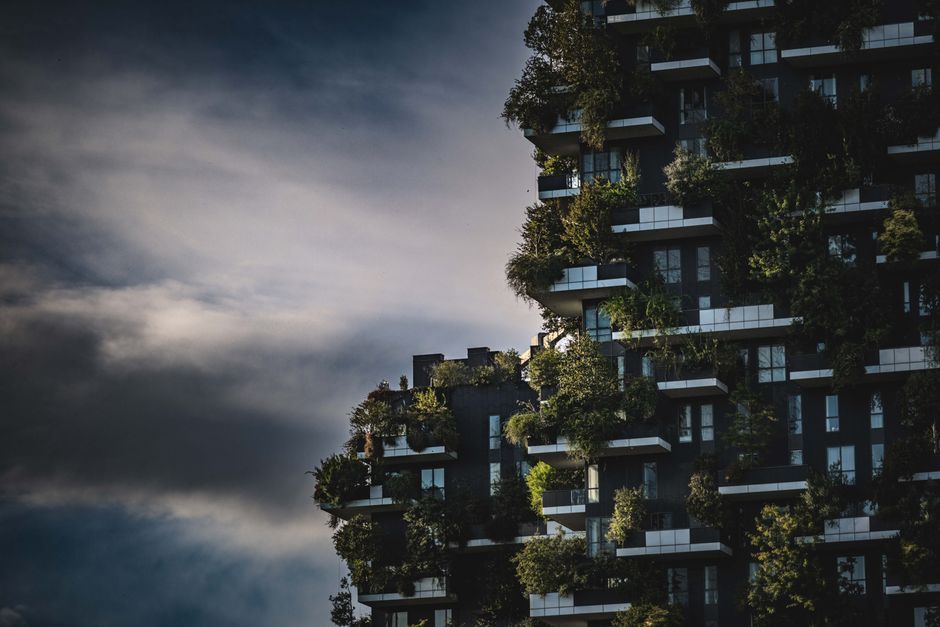
- Bosco Verticale, Milan: These residential towers are adorned with thousands of trees and plants, effectively creating vertical forests that improve air quality and provide natural habitats.
- One Central Park, Sydney: This development incorporates green walls and rooftop gardens, blending architecture with nature and offering residents stunning views and outdoor spaces.
- Gardens by the Bay, Singapore: A unique example of biophilic design on a grand scale, this project features futuristic Supertree structures and biodomes filled with diverse plant life, attracting tourists and enhancing urban biodiversity.
These examples illustrate how biophilic design can be successfully implemented, creating spaces that prioritize health, well-being, and ecological sustainability.
The Future of Biophilic Design
The future of biophilic design is bright, as more architects, urban planners, and policymakers recognize its importance in creating healthier cities. As urban populations continue to rise, the integration of nature into urban areas will be pivotal in addressing challenges such as air quality, mental health, and climate resilience.
Advancements in technology, such as smart building systems and sustainable materials, will further enhance the ability to incorporate biophilic principles into design. Innovations like vertical gardens, living walls, and adaptive reuse of structures will become more commonplace, allowing for greater flexibility in integrating nature into urban landscapes.
Moreover, as awareness of environmental issues grows, there will be an increased demand for sustainable design practices. Biophilic design not only addresses human health but also contributes to broader ecological goals, making it an essential aspect of future architecture.
Conclusion
Biophilic design represents a significant shift in how we approach urban architecture, prioritizing the connection between humans and nature. By merging natural elements with built environments, we can create healthier, more sustainable spaces that enhance our well-being. As this trend continues to gain momentum, it promises to reshape our cities into places where nature and urban living coexist harmoniously, benefiting both individuals and the environment.