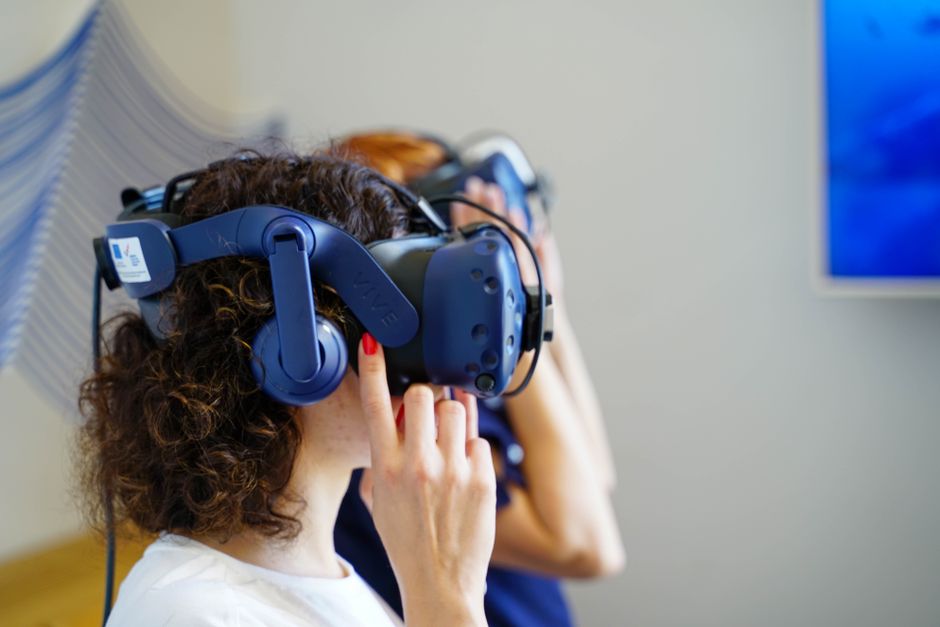
Introduction to Augmented Reality in Public Art
In recent years, augmented reality (AR) has emerged as a transformative technology in various fields, including education, gaming, and healthcare. However, its application in the realm of public art is particularly fascinating. By blending digital elements with the physical world, AR creates unique experiences that allow viewers to engage with art in innovative ways.
This article explores the role of AR in enhancing public art experiences, examining its potential to increase engagement, foster community connections, and break down traditional barriers between art and the audience.
Enhancing Engagement Through Interactivity
One of the most significant advantages of AR in public art is its ability to create interactive experiences. Traditional public art installations often rely on passive viewing; however, AR enables audiences to interact with artworks in real-time. For example, through a mobile app, viewers can point their devices at a mural and see animated elements or hear audio narratives that bring the artwork to life.
This interactivity not only captivates the audience’s attention but also invites them to participate actively in the artwork. Such engagement can lead to a more profound appreciation of the artistic intent and the message conveyed by the artist. As viewers become co-creators of their experience, the relationship between the art and the audience deepens.
Breaking Down Barriers to Art Accessibility
AR also plays a crucial role in making art more accessible to diverse audiences. Traditional public art displays can sometimes feel exclusive or uninviting, particularly for individuals who may find it difficult to engage with the physical artwork. By incorporating AR, artists can create experiences that are more inclusive.
For instance, AR can offer translation features for audio guides, ensuring that non-native speakers can enjoy the art in their language. Additionally, AR can provide context about the artwork, including historical background or insights into the artist’s creative process, making it easier for viewers to connect with the piece. This contextual information can demystify art, allowing a broader audience to appreciate its significance.
Fostering Community Connections
Public art often serves as a focal point for community engagement, and AR can enhance this aspect by encouraging collaboration among local artists, residents, and visitors. AR installations can be designed as community projects, allowing individuals to contribute ideas or even elements of the artwork. This collaboration fosters a sense of ownership and pride within the community.
Moreover, digital platforms used in AR projects can facilitate dialogue among community members, sparking conversations about art, culture, and local issues. By connecting people through shared experiences, AR can strengthen community bonds and promote cultural exchange. These interactions can lead to a greater understanding of diverse perspectives, enriching the community's cultural fabric.
Case Studies: Successful AR Public Art Projects
Several successful public art projects have utilized AR technology to engage audiences in unique ways. One notable example is the “AR Wall” in New York City, where a large mural comes to life through an AR app, showcasing animated stories that reflect the city’s diverse culture.
Another inspiring project is “The Night Sky” in Melbourne, Australia, which uses AR to allow viewers to explore constellations and celestial events projected onto the city’s skyline. Such projects not only attract tourists but also encourage locals to engage with their surroundings in a fresh and exciting manner. These case studies illustrate the potential of AR to transform how we perceive and interact with public art.
Future Implications of AR in Public Art
As technology continues to evolve, the future of AR in public art looks promising. With advancements in AR tools and applications, artists will have more opportunities to create immersive experiences that challenge traditional notions of art. Future projects may include more personalized experiences, where viewers can tailor their interactions based on their preferences or interests.
Additionally, AR could play a role in preserving public art. Digital archives could be created to document installations, making it easier to maintain and restore artworks over time. This technological integration can ensure that public art continues to thrive in an ever-changing environment. As artists experiment with AR, we may see a new genre of art that blends the digital and physical realms in unprecedented ways.
Conclusion
In conclusion, augmented reality is revolutionizing public art experiences by enhancing engagement, making art more accessible, and fostering community connections. As artists and technologists continue to collaborate, the possibilities for AR in public art are boundless. By embracing this technology, we can create a more inclusive and interactive art landscape that resonates with audiences of all backgrounds. The integration of AR into public art not only enriches the viewer's experience but also ensures that art remains a vital part of community life in the digital age.