Introduction to Eco-Anxiety
In recent years, the term 'eco-anxiety' has gained traction, particularly among young people who are increasingly aware of the climate crisis. This psychological phenomenon manifests as feelings of worry, fear, and helplessness regarding environmental destruction and its impact on the future. As climate change becomes a more pressing issue, the mental health of youth is affected, leading to a rise in anxiety related to environmental concerns. Understanding eco-anxiety is crucial to address the psychological effects on this vulnerable group.
Eco-anxiety is not just a fleeting concern; it represents a deep-seated emotional response to the existential threats posed by climate change. Young people, who are often more attuned to social justice issues, find themselves grappling with the implications of environmental degradation on their lives and the lives of future generations. This awareness can lead to a profound sense of responsibility, but it can also be overwhelming.
The Roots of Eco-Anxiety
Eco-anxiety stems from various sources, primarily the overwhelming information about climate change and environmental degradation. Young people are bombarded with alarming news reports, social media updates, and educational content that highlight the severity of the situation. The constant influx of negative information can create a sense of despair, making it difficult for youth to envision a hopeful future.
Furthermore, the perception that their future is at stake exacerbates these feelings. Many youth feel a loss of control over their lives and future prospects, contributing to heightened anxiety levels. Other factors influencing eco-anxiety include:
- Educational Environment: Schools and universities increasingly incorporate climate education, which, while important, can lead to feelings of despair if not balanced with solutions. The focus on problems without presenting actionable steps can leave students feeling powerless.
- Social Media Influence: Platforms like Instagram and Twitter serve as both sources of information and anxiety, as young people witness global protests and dire predictions. The viral nature of climate-related content can amplify feelings of urgency and fear.
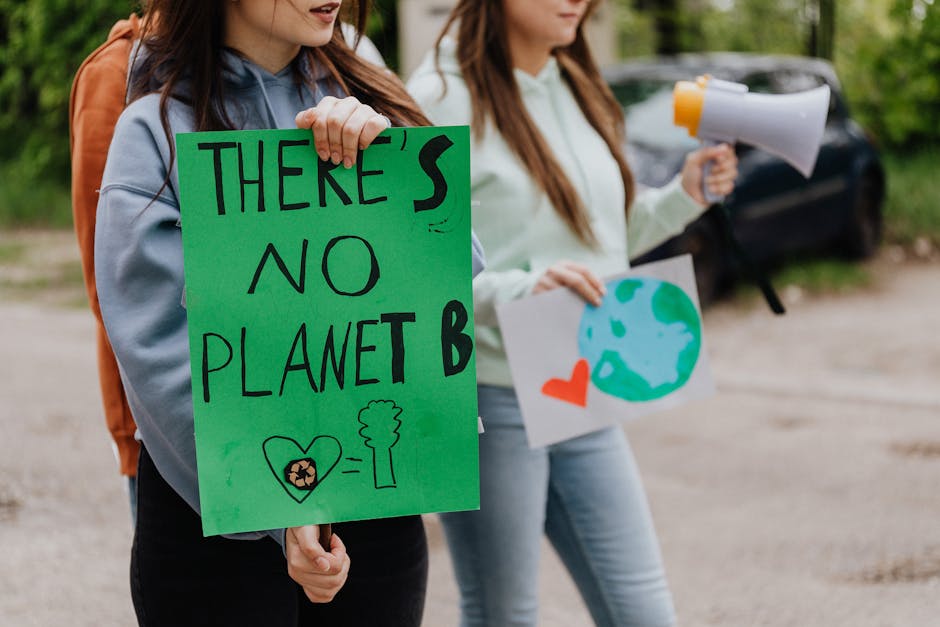
- Community Engagement: Participation in environmental activism can be a double-edged sword; while it empowers some, it also exposes them to the harsh realities of climate change. Activism can foster a sense of community but may also lead to burnout if the challenges seem insurmountable.
The Psychological Impact on Youth
The psychological effects of eco-anxiety on youth can be profound. Many young individuals report feelings of sadness, helplessness, and even anger towards the situation. These emotions can lead to several mental health issues, including:
- Depression: Continuous exposure to distressing information about climate change can lead to feelings of hopelessness. This can manifest in a lack of motivation and a diminished sense of purpose.
- Social Isolation: Many young people feel that their concerns are not shared by their peers, leading to a sense of loneliness. This isolation can further exacerbate feelings of anxiety and despair.
- Fear of the Future: A pervasive fear about what the future holds can hinder life choices, such as career paths or family planning. This fear can create a paralysis that prevents young people from pursuing their dreams.
Moreover, eco-anxiety can manifest physically, as stress often leads to various health issues, from headaches to gastrointestinal problems. Addressing these concerns is essential for the well-being of youth. It is crucial for parents, educators, and mental health professionals to recognize the signs of eco-anxiety and provide appropriate support.
Coping Strategies for Eco-Anxiety
While eco-anxiety can be debilitating, there are strategies that can help young people manage their feelings. Here are some effective coping mechanisms:
- Mindfulness Practices: Techniques like meditation and yoga can reduce anxiety and promote a sense of calm. These practices encourage individuals to focus on the present moment, which can alleviate overwhelming feelings about the future.
- Community Engagement: Joining local environmental groups can foster a sense of belonging and purpose, transforming anxiety into action. Being part of a collective effort can empower youth and provide them with a support network.
- Education and Empowerment: Learning about positive environmental actions and solutions can help counter feelings of hopelessness. Understanding that individual and collective actions can lead to meaningful change can inspire hope.
Additionally, talking to a therapist or counselor can provide support and coping strategies tailored to individual experiences with eco-anxiety. Professional guidance can help youth navigate their feelings and develop resilience in the face of environmental challenges.
Conclusion: Moving Forward
As climate change continues to affect our world, eco-anxiety among youth is likely to persist. Acknowledging this issue is the first step in addressing the psychological toll it takes on young individuals. By fostering open communication, providing resources, and encouraging positive action, we can help mitigate the impacts of eco-anxiety.
Ultimately, empowering youth to engage with environmental issues through constructive means can transform anxiety into motivation, allowing them to contribute positively to the planet's future. It is essential for society to recognize the emotional burden that climate change places on young people and to support them in finding hope and agency in their activism.