Introduction
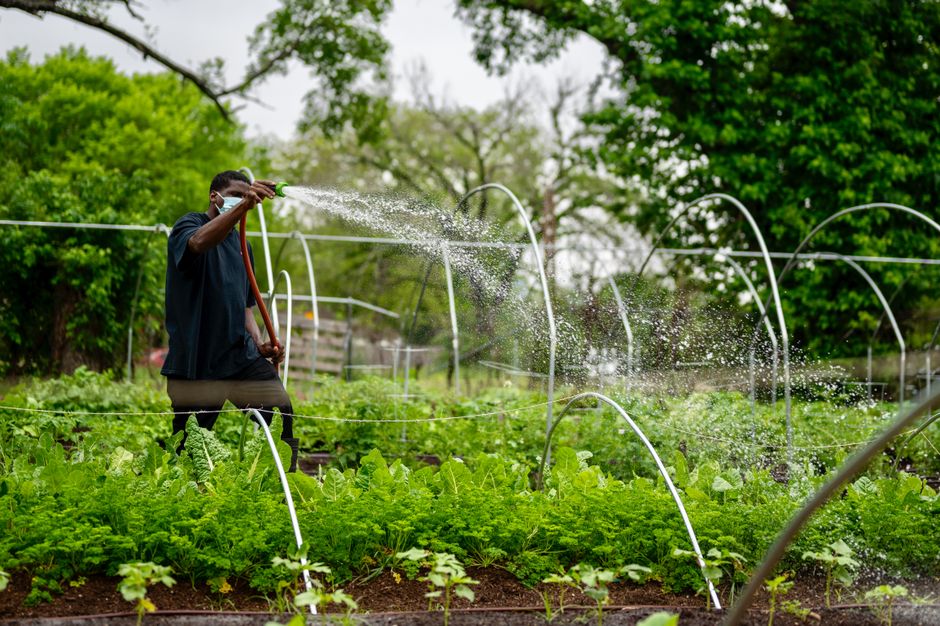
The COVID-19 pandemic has profoundly altered the way we live, interact, and perceive our environments. As cities began to emerge from lockdowns, a notable trend has surfaced: the rise of urban gardens. These green spaces have become more than just patches of greenery; they are vital catalysts for community bonding and resilience. In this article, we will explore how urban gardens are reshaping community dynamics, fostering connections, and promoting sustainable living in our post-pandemic world.
The Importance of Urban Gardens
Urban gardens serve multiple purposes that extend beyond mere aesthetics. They are essential for:
- Food Security: By growing fruits and vegetables locally, urban gardens reduce reliance on distant food supplies, enhancing food security. This localized food production ensures that communities have access to fresh produce, which is especially important in food deserts.
- Environmental Benefits: Gardens contribute to biodiversity, improve air quality, and mitigate urban heat effects. They act as green lungs for cities, helping to absorb carbon dioxide and provide habitats for various species.
- Social Interaction: These spaces foster social ties among community members, encouraging collaboration and shared experiences. They serve as venues for community events, workshops, and social gatherings, further strengthening community bonds.
In essence, urban gardens create healthier cities, both physically and socially. They are spaces where individuals can come together, share knowledge, and cultivate not just plants, but relationships. The act of gardening itself can be a powerful unifying force, breaking down barriers and fostering inclusivity.
Building Community Connections
Urban gardens have a unique ability to bring people together. They function as communal spaces where individuals from diverse backgrounds can gather. This is particularly crucial in the wake of the pandemic, where many experienced isolation and disconnection. Gardening offers a shared activity that encourages collaboration and dialogue, allowing for the exchange of ideas and cultural practices.
Many urban gardens are organized as community projects, often initiated by local residents. These projects empower individuals to take ownership of their neighborhoods, leading to increased investment in the community's well-being. The act of tending to a garden allows participants to develop a sense of belonging and pride in their surroundings. Moreover, these gardens often become focal points for community activism, where residents advocate for local needs and improvements.
Enhancing Mental Health and Well-being
The mental health benefits of engaging with nature are well-documented. Urban gardens provide a sanctuary for individuals seeking respite from the stresses of urban life. Studies have shown that spending time in green spaces can reduce anxiety, depression, and promote overall well-being. The therapeutic effects of gardening can be particularly beneficial for those coping with the emotional aftermath of the pandemic.
For many, the pandemic highlighted the importance of mental health. Urban gardens offer therapeutic benefits through gardening activities, such as planting, weeding, and harvesting. These tasks promote mindfulness and provide a sense of accomplishment as individuals witness the fruits of their labor. Additionally, the act of nurturing plants can foster a sense of purpose and connection to the environment, which is crucial for mental resilience.
Promoting Sustainable Living
Urban gardens are at the forefront of promoting sustainable living practices. By encouraging local food production, they reduce the carbon footprint associated with food transportation. Moreover, many urban gardens adopt organic practices, minimizing the use of harmful chemicals and pesticides. This commitment to sustainability not only benefits the environment but also promotes healthier eating habits within the community.
These gardens also serve as educational platforms, where community members can learn about sustainable practices, composting, and environmental stewardship. Workshops and events hosted in these spaces can raise awareness about the importance of sustainability, fostering a culture of eco-consciousness within the community. By engaging in these educational opportunities, residents can become advocates for sustainability in their own lives and neighborhoods.
Case Studies: Successful Urban Gardens
Numerous cities around the world have embraced urban gardening initiatives, showcasing their potential to reshape communities. For example:
- The Incredible Edible Project (UK): This initiative turns public spaces into edible landscapes, encouraging locals to grow food and share it with others. It has transformed the way communities view public land, promoting a sense of ownership and collaboration.
- Detroit's Urban Agriculture Movement: In a city grappling with economic challenges, urban farms have revitalized neighborhoods, providing fresh produce and job opportunities. These farms not only supply food but also serve as training grounds for new farmers and entrepreneurs.
- New York City Community Gardens: These gardens have flourished in vacant lots, transforming them into vibrant community hubs that promote social interaction and environmental awareness. They often host cultural events, art installations, and educational programs, enriching the urban landscape.
These examples illustrate how urban gardens can address social, economic, and environmental issues, cultivating resilience in communities. They highlight the diverse ways in which urban gardening can empower residents and foster a sense of community ownership.
Challenges and Future Directions
While urban gardens offer numerous benefits, they also face challenges. Issues such as land access, funding, and community engagement can hinder their development. Additionally, as cities continue to grow, the pressure on urban land increases, making it essential to prioritize green spaces. The competition for land can lead to conflicts over usage, necessitating careful planning and collaboration among stakeholders.
To ensure the sustainability of urban gardens, collaborations with local governments, nonprofits, and community organizations are crucial. Investing in education, resources, and infrastructure will empower communities to establish and maintain these vital green spaces. Furthermore, advocating for policies that support urban agriculture can help secure funding and resources for these initiatives.
Conclusion
In a post-pandemic world, urban gardens have emerged as powerful tools for reshaping community bonds. They foster connections, enhance mental well-being, and promote sustainable living practices. As cities continue to evolve, prioritizing urban gardens will be essential for nurturing vibrant, resilient communities. By cultivating these green spaces, we not only grow food but also sow the seeds of connection and belonging, paving the way for a healthier future. The ongoing support and development of urban gardens can lead to a more sustainable and interconnected urban landscape, benefiting both current and future generations.