Introduction
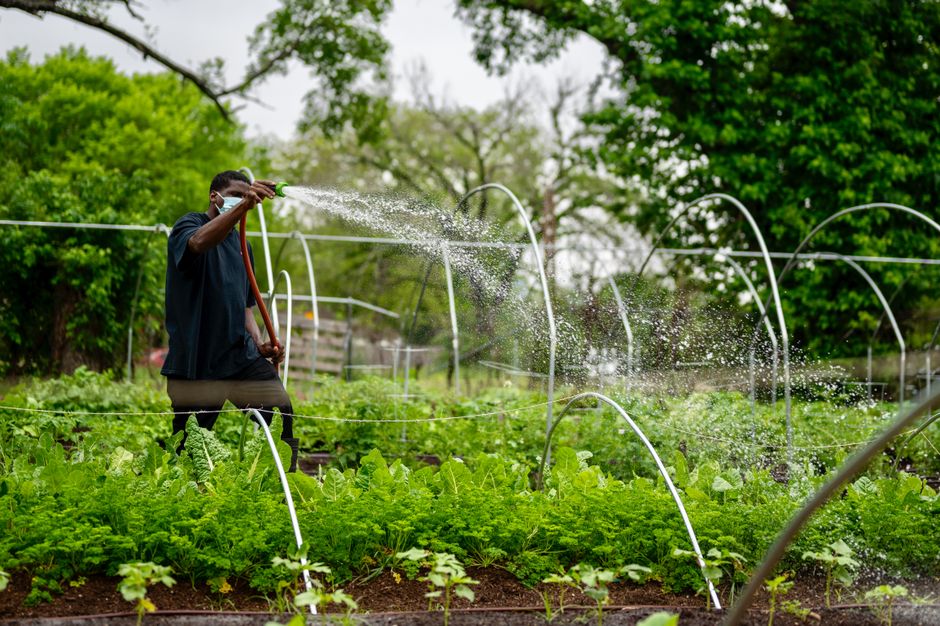
The COVID-19 pandemic has fundamentally altered the way we live, work, and interact with one another. As cities emerge from the pandemic's grip, many are witnessing a resurgence of interest in urban gardening. These green spaces not only beautify neighborhoods but also play a crucial role in reshaping community dynamics. In this article, we will explore the multifaceted impact of urban gardens on social interactions, mental health, and sustainable living in post-pandemic cities.
The Rise of Urban Gardens
Urban gardening has gained traction in recent years, but its popularity surged during the pandemic when many individuals sought solace and connection with nature. As people faced lockdowns and social distancing measures, gardening provided a therapeutic outlet. The act of nurturing plants became a way to cope with isolation, leading to the establishment of gardens in backyards, balconies, and vacant lots.
Community gardens, in particular, have become a focal point for urban gardening efforts. These shared spaces encourage collaboration among residents, allowing them to cultivate not only plants but also relationships. Many communities have seen an increase in the number of gardens as residents recognize the benefits of growing food locally and sustainably. This trend reflects a broader movement towards self-sufficiency and environmental stewardship.
Social Dynamics and Community Engagement
Urban gardens serve as catalysts for social engagement, bringing together individuals from diverse backgrounds. They foster a sense of belonging and encourage teamwork. For instance, community members often come together to plan, plant, and maintain gardens, leading to the development of friendships and support networks. These interactions are vital in rebuilding social cohesion in a post-pandemic world.
Moreover, these gardens can bridge generational divides. Older residents may share their gardening wisdom with younger generations, while children learn about responsibility and the importance of nature. Such intergenerational exchanges contribute to a stronger community fabric, as they promote understanding and respect among different age groups.
- Building Relationships: Urban gardens create opportunities for social interaction among neighbors, fostering a sense of community.
- Teamwork: Collaborative gardening projects promote a sense of shared purpose, enhancing community bonds.
- Community Events: Many gardens host events such as harvest festivals and workshops that further strengthen community ties and encourage participation.
Mental Health Benefits of Gardening
The mental health benefits of gardening have been widely documented. Engaging with nature has been shown to reduce stress, anxiety, and depression. For many, urban gardens provide a sanctuary where they can escape the stresses of urban life. The act of tending to plants can be meditative, offering a sense of calm and focus.
Studies indicate that spending time in green spaces can improve mood and cognitive functioning. The satisfaction of growing food can boost self-esteem and foster a sense of accomplishment. Additionally, the physical activity involved in gardening contributes to overall well-being, making it a holistic approach to mental health.
Sustainability and Food Security
As cities grapple with challenges related to food security, urban gardens offer a sustainable solution. By growing food locally, communities can reduce their reliance on industrial food systems that often contribute to environmental degradation. Urban gardens promote biodiversity and reduce carbon footprints associated with transportation, making them essential in the fight against climate change.
Moreover, these gardens can help mitigate food deserts—areas with limited access to fresh produce. Community gardens often prioritize growing a variety of fruits and vegetables, making healthy food more accessible to those who need it most. This local food production not only supports community health but also empowers residents to take control of their food sources.
- Local Food Production: Urban gardens enhance local food security by providing fresh produce directly to communities.
- Environmental Impact: They contribute to sustainability and biodiversity, creating green spaces that support local wildlife.
- Education: Gardens serve as platforms for educating community members about sustainable practices, nutrition, and environmental stewardship.
Challenges and Solutions
While urban gardening offers numerous benefits, it is not without challenges. Limited space, zoning regulations, and access to resources can hinder the establishment of gardens. Additionally, not all communities have equal access to gardening opportunities, highlighting the need for inclusive practices that ensure everyone can participate.
To address these challenges, community organizations and local governments can collaborate to create supportive policies. Initiatives such as grants for garden development, educational workshops, and outreach programs can empower marginalized communities to engage in urban gardening. By fostering partnerships and providing resources, cities can create a more equitable landscape for urban gardening.
Case Studies of Successful Urban Gardens
Numerous cities around the world have successfully integrated urban gardens into their landscapes, showcasing their potential for community revitalization. For instance, the Detroit Black Community Food Security Network has transformed vacant lots into productive urban farms, addressing food insecurity while promoting community self-determination. This initiative not only provides food but also creates jobs and builds community resilience.
In New York City, the GreenThumb program supports over 600 community gardens, providing resources and training to gardeners. These gardens not only contribute to local food systems but also enhance neighborhood aesthetics and foster a sense of community pride. Similar programs in other cities have demonstrated the power of urban gardening to bring about positive change.
The Future of Urban Gardening
As we look to the future, urban gardens will likely play an increasingly vital role in shaping cities. The lessons learned during the pandemic about the importance of green spaces and community engagement will continue to resonate. Urban gardening may evolve to incorporate advanced technologies, such as vertical gardens and hydroponics, making it more accessible to urban dwellers with limited space.
Moreover, as climate change poses new challenges, urban gardens can act as green buffers, helping cities adapt to changing environmental conditions. Their role in enhancing mental health and building resilient communities will remain crucial as cities recover and rebuild. By investing in urban gardening initiatives, cities can create sustainable environments that benefit all residents.
Conclusion
Urban gardens are more than just patches of green in our cities; they are vital components of community dynamics in a post-pandemic world. By encouraging social interaction, promoting mental well-being, and enhancing food security, these gardens have the potential to reshape our urban landscapes. As we continue to navigate the aftermath of the pandemic, investing in urban gardening initiatives will be essential for fostering resilient, inclusive, and sustainable communities. The future of our cities may very well depend on the green spaces we cultivate today.