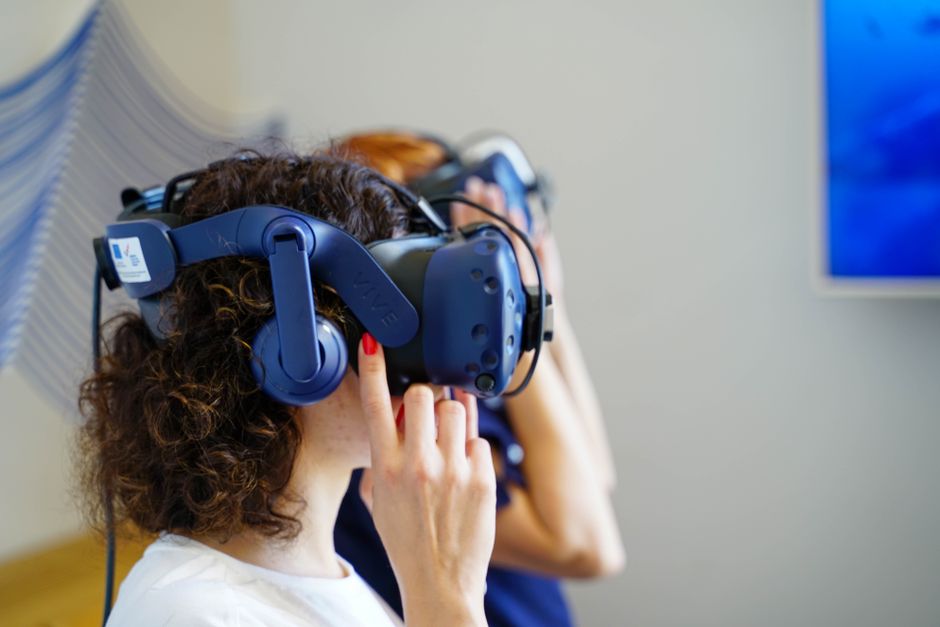
Introduction to Virtual Reality and Empathy
In recent years, virtual reality (VR) has emerged as a revolutionary technology, offering immersive experiences that can transport users to entirely different environments. While VR has been widely used in gaming and entertainment, its potential to foster empathy in social interactions is gaining attention. Empathy, the ability to understand and share the feelings of another, is crucial for effective communication and building strong relationships. This article explores how VR can redefine empathy, enhance social interactions, and promote understanding among individuals from diverse backgrounds.
The Mechanics of Empathy in VR
Empathy is often cultivated through personal experiences and interactions with others. Traditional methods of fostering empathy typically involve face-to-face conversations, storytelling, and role-playing exercises. However, VR adds a unique dimension to this process by immersing users in a simulated environment where they can experience situations from another person's perspective.
VR achieves this by creating realistic scenarios that allow users to step into the shoes of others. For example, users can experience the daily challenges faced by individuals living in different socio-economic conditions or those with disabilities. This immersive experience can evoke emotional responses that lead to a deeper understanding of the struggles and triumphs of others. By engaging with these narratives, users can develop a more profound sense of connection with diverse experiences, potentially reshaping their perceptions and attitudes.
Applications of VR in Empathy Training
Various organizations and institutions have started to leverage VR for empathy training. In educational settings, VR programs allow students to engage in simulations that teach them about social issues, such as discrimination, homelessness, and mental health challenges. By experiencing these issues firsthand, students can develop a more nuanced understanding of the complexities surrounding them. This hands-on approach to learning can be far more impactful than traditional methods, as it encourages critical thinking and emotional reflection.
In corporate environments, VR is being used to train employees on diversity and inclusion. These training programs simulate scenarios where employees can witness the impact of their actions and words on others, fostering a culture of empathy and understanding in the workplace. Such programs have shown promising results in improving interpersonal relationships and reducing biases among team members. As companies strive to create more inclusive workplaces, VR can serve as a vital tool in promoting awareness and sensitivity to the experiences of colleagues from varied backgrounds.
The Role of VR in Bridging Cultural Gaps
As our world becomes increasingly interconnected, understanding cultural differences is paramount. VR has the potential to serve as a bridge between cultures, allowing individuals to experience life from the perspective of someone from a different background. These experiences can highlight the similarities that bind us as humans while also showcasing the unique challenges faced by various groups. By immersing users in different cultural contexts, VR can foster a sense of global citizenship and shared humanity.
For instance, VR experiences that simulate cultural festivals, traditions, or daily life in another country can foster appreciation and respect for diversity. This exposure can break down stereotypes and misconceptions, paving the way for more inclusive communities and global understanding. By engaging with these diverse narratives, individuals can cultivate a broader worldview, enhancing their ability to navigate an increasingly multicultural society.
Challenges and Considerations in VR Empathy Development
While the potential of VR to enhance empathy is evident, several challenges must be addressed. One significant concern is the risk of desensitization. If individuals are exposed to too many simulations of suffering or hardship, they may become numb to the experiences of others rather than developing empathy. It is crucial to design VR experiences thoughtfully, ensuring that they promote genuine emotional engagement. Balancing the intensity of experiences with the need for meaningful connection is essential for effective empathy training.
Additionally, accessibility is a concern. Not everyone has access to VR technology, which could lead to disparities in the ability to engage with these empathy-building experiences. Efforts must be made to ensure that VR applications are accessible to diverse populations, including those in underserved communities. By addressing these disparities, we can work towards a more equitable approach to empathy development through technology.
Conclusion: The Future of Empathy in a Virtual World
The integration of virtual reality into social interactions presents an exciting opportunity to redefine empathy. By immersing individuals in diverse experiences, VR can facilitate greater understanding and compassion. As technology continues to advance, it is essential to harness the potential of VR responsibly and inclusively to foster a more empathetic society. This journey towards empathy through VR is not just about technology; it is about creating a shared human experience that transcends boundaries.
As we navigate the complexities of human interactions in an increasingly digital world, VR stands out as a powerful tool that can bridge divides and cultivate deeper connections among individuals. By embracing this technology, we can work towards a future where empathy is not just an ideal but a lived reality, enriching our social fabric and enhancing our collective well-being.