Introduction
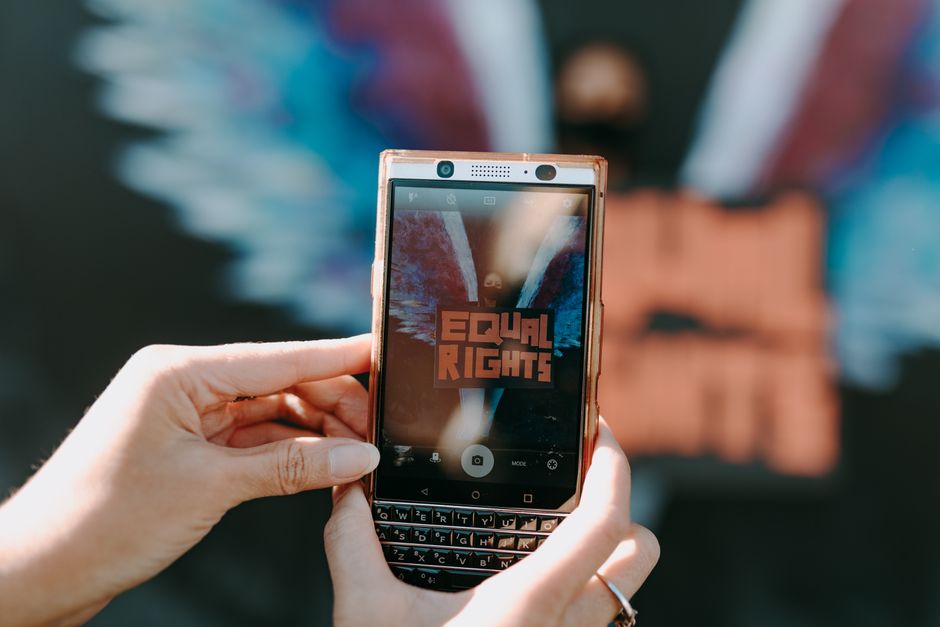
The convergence of art and technology has become a noteworthy catalyst in social justice movements, providing innovative ways to raise awareness, foster community engagement, and inspire action. In a world increasingly driven by digital connectivity, artists and technologists are collaborating to create immersive experiences that resonate with audiences and provoke critical conversations around pressing social issues. This article explores the various ways in which art and technology intersect, highlighting significant projects and their contributions to the ongoing fight for social justice.
The Role of Art in Activism
Art has long been a powerful medium for activism, capable of transcending language and cultural barriers. Through visual art, music, performance, and literature, artists can convey complex emotions and narratives that resonate deeply with audiences. The use of art in social justice movements serves several purposes:
- Raising Awareness: Artistic expressions often highlight issues that may be overlooked by mainstream media, drawing attention to injustices and marginalized voices.
- Creating Community: Art can bring people together, fostering a sense of belonging and collective identity among activists.
- Inspiring Action: Powerful imagery and storytelling can motivate individuals to participate in protests, campaigns, and other forms of activism.
For instance, the Black Lives Matter movement has utilized art to amplify its message. Murals, street performances, and social media campaigns have played crucial roles in mobilizing support and sparking discussions about systemic racism and police violence. These artistic endeavors not only serve as a form of expression but also as a rallying cry, uniting individuals around a common cause.
Technology as a Tool for Advocacy
In recent years, technology has become an indispensable tool for activists. The rise of social media platforms has transformed how movements organize and communicate. Some ways technology supports advocacy include:
- Amplifying Voices: Social media allows marginalized communities to share their stories and experiences, giving them a platform to be heard.
- Organizing Protests: Digital tools enable activists to coordinate events, share information quickly, and mobilize supporters effectively.
- Creating Digital Art: Artists are leveraging technology to create impactful digital artworks that can be shared globally, reaching wider audiences than traditional art forms.
For example, the #MeToo movement has harnessed the power of social media to connect individuals, share experiences, and promote solidarity against sexual harassment and assault. This digital platform has not only facilitated the sharing of personal narratives but has also enabled collective action, leading to significant cultural shifts and policy changes.
Innovative Projects at the Intersection of Art and Technology
Numerous projects have emerged that exemplify the synergy between art and technology in promoting social justice. These initiatives often combine various mediums, creating multi-faceted experiences that engage audiences on multiple levels. Some notable examples include:
- “The Good Trouble” Project: This initiative uses augmented reality (AR) to bring historical civil rights moments to life. Participants can use their smartphones to view AR overlays on physical locations tied to significant events, enhancing their understanding of the ongoing struggle for equality.
- “Digital Blackness”: This online exhibition showcases the work of Black artists who engage with technology to explore themes of identity, race, and social justice. By providing a platform for diverse voices, it challenges prevailing narratives and contributes to a richer cultural discourse.
- Interactive Installations: Artists like Rafael Lozano-Hemmer create interactive installations that invite viewers to engage directly with the artwork. These projects often focus on themes of surveillance, privacy, and the impact of technology on society, encouraging critical reflection on contemporary issues.
These projects not only highlight the creativity of artists but also serve as powerful tools for education and engagement, prompting audiences to reflect on their roles within social justice movements.
The Challenges and Critiques of Art-Tech Collaborations
While the intersection of art and technology offers exciting possibilities, it is not without its challenges. Critics often raise concerns about the commercialization of social justice art and the potential for technology to alienate certain audiences. Key issues include:
- Accessibility: Not all communities have equal access to technology, which can limit participation in digital art projects and online campaigns.
- Commercialization: As social justice art gains popularity, there is a risk that its messages may be diluted or commodified for profit, undermining the original intent.
- Cultural Appropriation: Artists must navigate the fine line between drawing inspiration from diverse cultures and appropriating them without proper understanding or respect.
Addressing these challenges requires a thoughtful approach that prioritizes inclusivity and authenticity in both artistic and technological endeavors. Engaging with communities directly and ensuring diverse representation in projects can help mitigate some of these issues, fostering a more equitable landscape for all voices.
Future Directions: The Evolving Landscape of Art and Activism
As both art and technology continue to evolve, their roles in social justice movements will likely expand and transform. Emerging technologies such as virtual reality (VR) and artificial intelligence (AI) present new opportunities for artists and activists:
- Virtual Reality: VR can create immersive experiences that transport users into different realities, allowing them to experience social issues firsthand. This technology has the potential to foster empathy and understanding among audiences, making distant issues feel immediate and personal.
- Artificial Intelligence: AI can be used to analyze large datasets, uncovering patterns related to social justice issues. Artists are beginning to experiment with AI-generated artworks that challenge perceptions and provoke discussions about the implications of technology on society.
As these technologies become more accessible, they can empower artists and activists to push boundaries and explore innovative ways of communicating their messages. The integration of these tools into activism can lead to new forms of engagement, making the fight for social justice more dynamic and impactful.
Conclusion
The intersection of art and technology in social justice movements represents a dynamic and evolving landscape that holds great potential for fostering awareness, community, and action. By harnessing the power of creativity and innovation, artists and technologists can work together to create impactful experiences that inspire change. As we move forward, it is essential to remain mindful of the challenges and critiques surrounding these collaborations, ensuring that they remain rooted in authenticity and inclusivity. The ongoing dialogue between art, technology, and social justice will undoubtedly shape the future of activism, making it a vital area for continued exploration and engagement. Embracing this intersection not only enriches the narrative of social justice but also empowers individuals to envision and work towards a more equitable society.