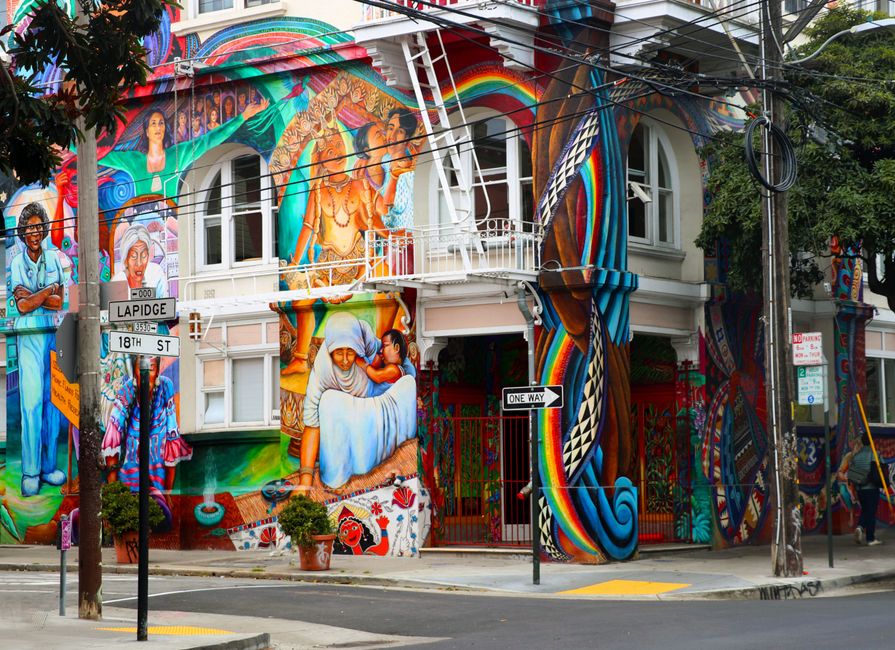
Introduction
In the wake of crises, whether they be natural disasters, social upheavals, or public health emergencies, communities often face the daunting task of rebuilding not just their physical environments but also their social fabrics. Art, particularly in the form of community murals, emerges as a vital tool in this healing process. These vibrant expressions of creativity serve not only as beautification projects but also as catalysts for healing, resilience, and collective identity.
This article delves into the significance of community murals in urban healing. It examines their role in fostering social connections, promoting mental health, and revitalizing neighborhoods following crises. By exploring various case studies and the psychological effects of art on communities, we can understand how these murals contribute to a broader narrative of recovery and resilience.
The Psychological Impact of Art in Healing
Art has long been recognized for its therapeutic benefits, particularly in times of distress. The process of creating and engaging with art can provide individuals with a sense of purpose and a means of expression. Research in art therapy highlights several key psychological effects:
- Emotional Expression: Art allows individuals to express feelings that may be difficult to articulate verbally, facilitating emotional release and processing.
- Community Connection: Collaborative art projects, such as murals, foster social bonds among participants, reducing feelings of isolation.
- Resilience Building: Engaging in creative activities can enhance coping strategies and resilience, empowering individuals to face challenges.
In urban settings, where crises can fracture social ties, community murals become a platform for collective healing. They invite participation from diverse groups, allowing residents to contribute to a shared vision of recovery.
Case Studies of Community Murals Post-Crisis
Several cities have successfully employed community murals as a means of healing after significant crises. These case studies illustrate the transformative power of public art:
1. New Orleans: Recovery After Hurricane Katrina
In the aftermath of Hurricane Katrina, New Orleans witnessed a surge in community mural projects. Artists collaborated with local residents to create works that reflected their experiences, hopes, and resilience. The murals not only beautified neighborhoods but also served as reminders of the community's strength and unity in the face of adversity.
2. Philadelphia: Addressing Gun Violence
Philadelphia has faced an ongoing challenge with gun violence, prompting community leaders and artists to address this issue through murals. These artworks often depict themes of peace, hope, and remembrance for those lost to violence. By engaging community members in the creation of these murals, artists foster dialogue and healing within neighborhoods impacted by trauma.
3. Los Angeles: A Response to Civil Unrest
Following civil unrest in Los Angeles, local artists worked with community organizations to create murals that spoke to themes of justice, equality, and healing. These murals became sites of gathering and reflection, allowing residents to connect with one another and share their stories.
Murals as Catalysts for Community Engagement
Community murals do more than just beautify urban spaces; they serve as focal points for community engagement. The process of planning and executing a mural often involves:
- Public Workshops: Engaging residents in brainstorming sessions to gather ideas and themes for the mural ensures that the artwork reflects the community's voice.
- Collaborative Design: Local artists often collaborate with residents to design the mural, making it a truly community-driven project.
- Celebratory Events: Unveiling the mural can serve as a celebratory community event, bringing people together to appreciate their collective effort.
This participatory approach not only strengthens community bonds but also fosters a sense of ownership over the artwork, enhancing its impact on the collective psyche of the neighborhood.
The Role of Cultural Expression in Healing
Cultural expression through murals is vital in narrating a community's history and identity. Many communities use murals to tell stories of their heritage, struggles, and triumphs. This cultural resonance is particularly important in the healing process, as it allows residents to:
- Honor Their Past: Murals can commemorate significant historical events or figures, preserving the memory of what has shaped the community.
- Celebrate Diversity: In multicultural urban areas, murals can reflect the diverse backgrounds of residents, promoting inclusivity and understanding.
- Reclaim Space: By transforming blank walls into vibrant artworks, communities reclaim public spaces, fostering pride and ownership.
This cultural expression through art not only aids in healing but also reinforces a shared identity among residents, contributing to social resilience.
Challenges and Considerations
While community murals offer numerous benefits, there are also challenges to consider in their implementation:
- Funding and Resources: Securing funding for mural projects can be challenging, especially in communities that may already be economically disadvantaged.
- Vandalism and Maintenance: Murals can be targets for vandalism, and ongoing maintenance is necessary to preserve their integrity.
- Community Consensus: Ensuring that the mural reflects the collective voice of the community can be difficult, particularly in diverse neighborhoods where opinions may vary.
Addressing these challenges requires collaboration among artists, community leaders, and local organizations to create a sustainable and inclusive approach to mural projects.
Conclusion
Community murals serve as powerful tools for urban healing, providing a platform for emotional expression, cultural storytelling, and community engagement. In the aftermath of crises, these vibrant artworks not only beautify neighborhoods but also foster resilience and connection among residents. By embracing the role of art in healing, communities can navigate the complexities of recovery, emerging stronger and more unified.
As urban areas continue to face challenges, the integration of community murals into recovery efforts can play a pivotal role in shaping the narrative of resilience and hope. By investing in these collaborative art projects, cities can promote healing and foster a sense of belonging, ultimately enriching the lives of their residents.
Future Directions
Looking ahead, it is essential for cities to prioritize the incorporation of community murals as part of their recovery strategies. This can be achieved through dedicated funding, partnerships with local artists, and engagement with community members to ensure that the murals resonate with their experiences and aspirations. Moreover, documenting the impact of these murals can provide valuable insights into their effectiveness as tools for healing and community building.
Ultimately, the role of art in urban healing is profound, and as communities continue to navigate the aftermath of crises, the vibrant colors and powerful messages of community murals will remain integral to the journey toward recovery and unity.