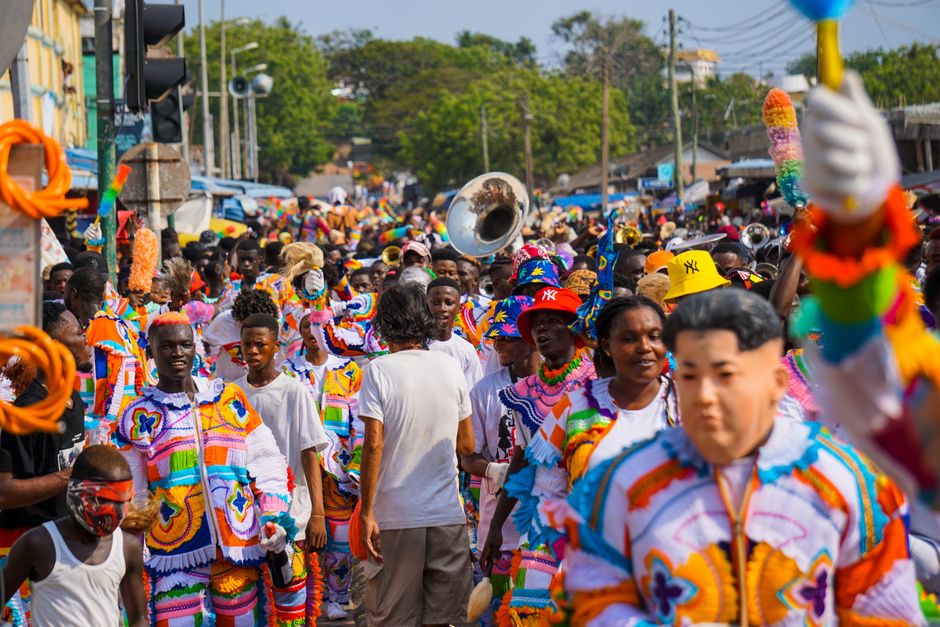
Introduction to Music Festivals and Economic Impact
As music festivals gain popularity around the world, they have emerged as key players in revitalizing local economies. These events not only attract visitors but also stimulate various sectors within the community. From hospitality to retail, the ripple effect of music festivals can be profound, impacting many local businesses positively.
This article explores the multifaceted role of music festivals in economic revival, highlighting their benefits, the challenges they face, and the future potential for communities that embrace these vibrant cultural events.
Boosting Tourism and Local Business
One of the primary economic benefits of music festivals is the influx of tourists they generate. Festivals draw attendees from near and far, leading to increased occupancy rates in hotels and a surge in restaurant patronage. Local shops also benefit, as festival-goers often seek souvenirs and unique products that reflect the area’s culture.
- Increased hotel bookings during festivals.
- Higher sales for local restaurants and cafes.
- Growth of local artisan markets and craft shops.
For instance, a recent study showed that a weekend music festival could increase hotel occupancy rates by up to 50%, significantly benefiting the local economy. Restaurants and food vendors see marked increases in sales, sometimes doubling their usual revenue on festival days.
Additionally, the presence of music festivals can enhance the visibility of local attractions, encouraging visitors to explore beyond the festival grounds. This can lead to longer stays and increased spending in the area, further amplifying the economic impact.
Job Creation and Economic Opportunities
Music festivals also contribute to job creation, providing temporary employment opportunities for local residents. Jobs can range from event staff to security personnel, vendors, and more. The demand for services during festivals can lead to the hiring of additional staff, which can have a lasting impact on the local job market.
Furthermore, the festival industry creates opportunities for local artists and musicians to showcase their talent. This not only boosts their careers but also enriches the cultural fabric of the community. Festivals often feature local acts, providing them a platform to reach wider audiences and gain recognition.
- Temporary employment opportunities for locals.
- Increased visibility for local artists and musicians.
- Development of new businesses catering to festival needs.
Moreover, the skills gained by workers during these events can translate into long-term employment opportunities in the growing event management and hospitality sectors.
Enhancing Community Engagement and Pride
Beyond the economic benefits, music festivals foster community engagement and pride. They serve as a platform for local cultures and traditions, allowing residents to celebrate their heritage. Festivals can encourage community involvement through volunteer opportunities and sponsorships, strengthening communal bonds.
The shared experience of enjoying music together can enhance social cohesion and create lasting memories for attendees. Many festivals include local art, food, and performances, which further promote community identity. By showcasing local talent and traditions, festivals can instill a sense of pride among residents.
- Opportunities for community involvement and volunteering.
- Showcasing local culture and traditions.
- Creating shared experiences that strengthen community ties.
These events can also serve as a catalyst for ongoing community initiatives, inspiring residents to engage in local projects and support one another beyond the festival dates.
Challenges Faced by Music Festivals
Despite their numerous benefits, music festivals face several challenges that can impact their success and sustainability. One significant issue is the financial risk associated with organizing large events. Costs for permits, security, and artist fees can be substantial, and if attendance falls short of expectations, organizers may face significant losses.
Additionally, logistical challenges such as crowd management, transportation, and infrastructure can pose hurdles. Communities must be prepared to handle the influx of visitors, which can strain local resources and services.
- Financial risks associated with organizing festivals.
- Logistical challenges, including crowd management and transportation.
- Potential negative impacts on local residents due to noise and congestion.
Moreover, the environmental impact of festivals is an increasing concern. Organizers are now tasked with implementing sustainable practices to minimize waste and reduce their carbon footprint, which can add another layer of complexity to festival planning.
Future Potential of Music Festivals
Looking ahead, the potential for music festivals to contribute to local economies remains promising. As communities recognize the value of these events, there is an opportunity to develop more sustainable and inclusive festival models. By prioritizing local talent, engaging community members, and addressing the challenges faced, festivals can continue to thrive.
Furthermore, the integration of technology and virtual experiences can expand the reach of festivals, allowing them to connect with audiences beyond geographical limitations. This evolution could lead to hybrid events that blend in-person and online experiences, maximizing participation and economic impact.
Conclusion
In conclusion, music festivals play a vital role in revitalizing local economies by boosting tourism, creating jobs, and enhancing community engagement. While challenges exist, the benefits far outweigh the drawbacks when festivals are well-planned and executed. As communities embrace these cultural events, they can harness the power of music to foster economic growth and strengthen community ties.