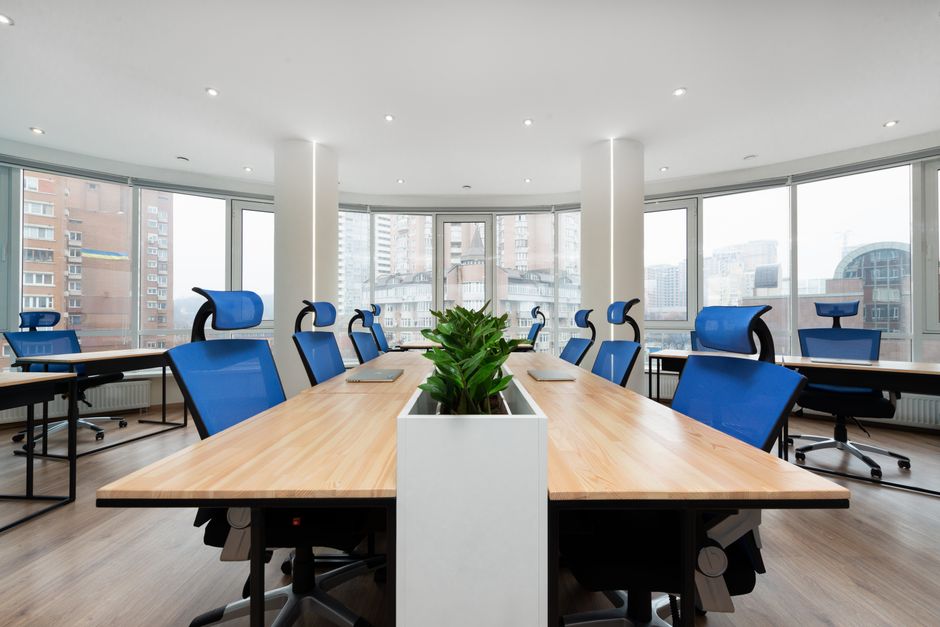
Introduction to Co-Working Spaces
In recent years, co-working spaces have gained immense popularity among freelancers, entrepreneurs, and remote workers. These shared workplaces offer more than just a desk; they provide an environment that fosters collaboration, creativity, and productivity. Understanding the psychology behind these spaces can help explain why they have become the go-to choice for many professionals seeking a conducive work environment.
This article explores the various psychological factors at play in co-working spaces that influence productivity, including social interactions, environmental design, and personal motivation.
The Role of Social Interaction
One of the most significant benefits of co-working spaces is the opportunity for social interaction. Unlike traditional offices or home working, co-working environments foster a sense of community among diverse individuals.
- Networking Opportunities: Co-working spaces bring together professionals from various industries, creating avenues for networking and collaboration. This interaction can lead to new ideas and partnerships that boost productivity.
- Support Systems: Being surrounded by like-minded individuals provides emotional support. Members can share challenges and successes, which can enhance motivation and reduce feelings of isolation.
- Accountability: Working alongside others may encourage individuals to stay focused and accountable. The simple act of being in a shared space can promote a stronger work ethic.
Research shows that social connections are vital for maintaining motivation and enhancing overall well-being. In co-working spaces, these connections thrive, leading to increased productivity.
Environmental Design and Its Impact
The physical design of co-working spaces plays a crucial role in influencing productivity. An appealing, well-organized environment can enhance focus and creativity.
- Flexible Layouts: Many co-working spaces feature flexible layouts that allow users to choose their working environment based on their tasks. Whether one needs a quiet space for concentration or a collaborative area for brainstorming, these options can enhance productivity.
- Aesthetics Matter: The visual appeal of a workspace can significantly affect mood and productivity. Bright colors, plants, and natural light can create a stimulating environment that promotes creativity and focus.
- Ergonomics: Comfortable furniture and well-thought-out design are essential. Ergonomic setups reduce physical strain and help maintain concentration, leading to more efficient work.
In summary, the design elements of co-working spaces are intentionally curated to promote productivity through comfort and aesthetics.
Personal Motivation and Co-Working
While the environment and social aspects are crucial, personal motivation remains a key factor in productivity within co-working spaces. Each individual brings their own goals and work styles, which can influence their experience.
- Self-Determination: Co-working spaces often provide autonomy. Individuals can choose when to work, how to arrange their space, and whom to collaborate with, fostering a sense of ownership over their work.
- Goal Setting: The atmosphere encourages goal setting and achievement. Members are often inspired by the accomplishments of their peers, motivating them to pursue their own objectives.
- Work-Life Balance: Co-working spaces can support a better work-life balance. With designated areas for relaxation and socializing, individuals can recharge, which ultimately enhances productivity.
Understanding personal motivation in the context of co-working can lead to improved strategies for leveraging these spaces effectively.
Challenges of Co-Working Spaces
Despite their many advantages, co-working spaces also present challenges that can hinder productivity. Awareness of these issues can help individuals navigate them effectively.
- Distractions: The social nature of co-working can lead to distractions. Open layouts may make it difficult for some to concentrate, particularly during peak hours.
- Overcrowding: Popular spaces can become overcrowded, making it challenging to find a suitable place to work. This can lead to frustration and decreased productivity.
- Inconsistent Atmospheres: The ambiance of co-working spaces can vary significantly. Some may be too noisy or chaotic for certain tasks, which may disrupt focus.
Recognizing these challenges is essential for individuals to develop strategies that enhance their productivity while working in shared environments.
Conclusion: The Future of Work in Co-Working Spaces
Co-working spaces represent a significant shift in how we view work environments. By understanding the psychology behind these spaces, individuals and organizations can harness their potential to enhance productivity.
As the nature of work continues to evolve, the role of co-working spaces will likely expand, offering innovative solutions for productivity challenges. Emphasizing community, design, and personal motivation will be key in maximizing the benefits of these collaborative workspaces.
Looking Ahead
As we look to the future, it is important to consider how co-working spaces can adapt to the changing needs of workers. Incorporating technology, enhancing community engagement, and focusing on wellness will be essential in creating environments that not only boost productivity but also promote overall well-being.
In conclusion, co-working spaces are more than just a trend; they are a reflection of the evolving nature of work and the importance of community and collaboration in achieving success.