Introduction to Smart Cities
As urban populations continue to swell, cities around the globe are turning to smart technologies to enhance the quality of life for their citizens. Smart cities leverage advanced technologies such as the Internet of Things (IoT), artificial intelligence (AI), and big data analytics to create more efficient, sustainable, and livable environments. However, with these advancements come significant privacy concerns that need to be addressed to ensure that citizens feel safe and secure in their urban spaces.
The Rise of Smart City Technologies
Smart city technologies encompass a wide range of innovations aimed at improving urban life. From smart traffic management systems that optimize flow and reduce congestion to smart energy grids that enhance efficiency, these technologies rely heavily on data collection and analysis. The integration of these technologies is transforming how cities operate, making them more responsive to the needs of their inhabitants.
Key components of smart cities include:
- IoT Sensors: These devices collect real-time data on various aspects of city life, including air quality, traffic patterns, and energy consumption. They play a crucial role in monitoring environmental conditions and urban infrastructure.
- Connected Infrastructure: Roads and buildings equipped with smart technology can communicate with each other, enabling better resource management and improving overall urban resilience.
- Data Analytics Platforms: These platforms process and analyze the vast amounts of data generated, providing insights that help city officials make informed decisions. They are essential for predictive analytics, helping to anticipate and address urban challenges proactively.
By implementing such technologies, cities aim to improve operational efficiency, reduce costs, and enhance the overall quality of life for residents. The potential for innovation is vast, and cities are increasingly recognizing the importance of adopting these advancements.
Benefits of Smart Cities
The potential benefits of smart cities are extensive. They promise to create environments that are not only more efficient but also more responsive to the needs of citizens. Here are some of the key advantages:
- Enhanced Quality of Life: Smart services can improve daily life, from better public transport systems to safer streets through improved surveillance. These enhancements contribute to a more enjoyable urban experience.
- Sustainability: Smart cities can significantly reduce energy consumption and lower carbon emissions through optimized resource use. This is increasingly important in the face of climate change and environmental degradation.
- Economic Growth: By attracting businesses and talent, smart cities can spur economic development and create jobs. The integration of technology can lead to new industries and opportunities for innovation.
These benefits highlight the importance of adopting smart technologies in urban planning and development. As cities evolve, the role of technology will be pivotal in shaping future urban landscapes.
Privacy Concerns in Smart Cities
Despite the promising advantages, the implementation of smart technologies raises significant privacy issues. Collecting vast amounts of data from citizens can lead to potential misuse and unauthorized access. Some of the primary privacy concerns include:
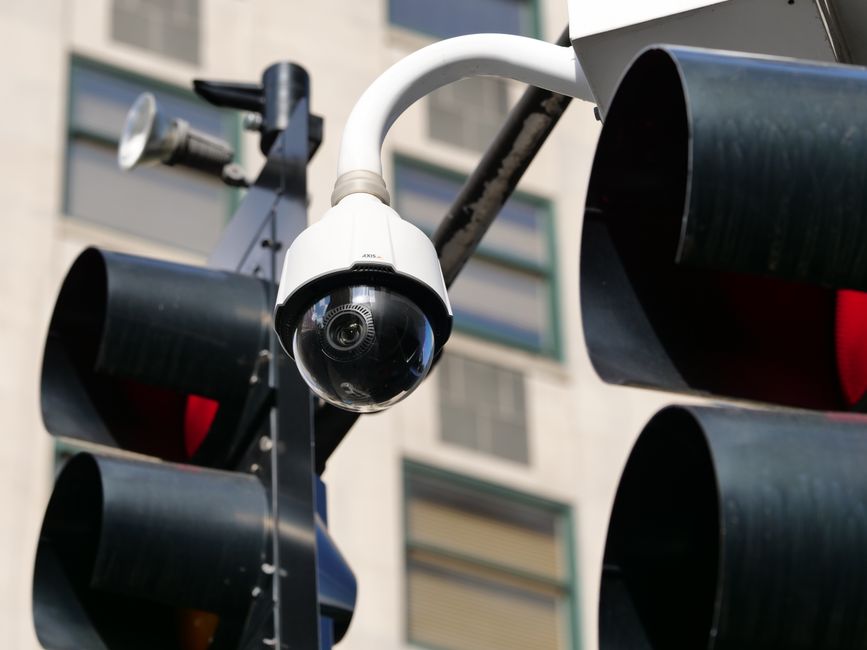
- Data Surveillance: Continuous monitoring through cameras and sensors can create a sense of constant surveillance among citizens, which may infringe on personal freedoms and lead to a chilling effect on public behavior.
- Data Security Risks: With increased data collection comes the risk of data breaches, where sensitive information can be exposed to malicious actors. Ensuring robust cybersecurity measures is essential to protect citizen data.
- Lack of Transparency: Citizens may not always be aware of how their data is being collected, used, or shared, leading to mistrust in city governance. Transparency in data practices is crucial for building public trust.
Addressing these concerns is critical for fostering trust and ensuring that citizens feel comfortable with the technologies being implemented in their cities. Without addressing privacy issues, the full potential of smart cities may never be realized.
Strategies for Balancing Technology and Privacy
To navigate the complex landscape of smart cities, it is essential to adopt strategies that promote technological advancement while safeguarding privacy. Here are some effective approaches:
- Policy Frameworks: Establishing clear regulations regarding data usage and privacy can help protect citizens' rights. Policies should be developed with input from various stakeholders, including the public.
- Public Engagement: Involving citizens in the decision-making process can foster transparency and trust, allowing for a collaborative approach to urban development. Engaging the community can lead to better outcomes and increased acceptance of smart technologies.
- Data Minimization: Collecting only the data necessary for specific purposes can reduce risks and enhance privacy. This principle ensures that data collection is purposeful and limited.
Implementing these strategies can help create a balanced approach to smart city development that prioritizes both innovation and privacy protection. It is crucial for city planners to consider these factors as they design and implement smart initiatives.
Case Studies: Successful Smart City Implementations
Various cities worldwide have successfully implemented smart technologies while addressing privacy concerns. For instance, Barcelona's smart city initiative integrates IoT devices to manage public services efficiently while engaging citizens in the data collection process through transparent policies. This approach has led to improved public services and increased citizen satisfaction.
Similarly, Singapore uses data analytics to optimize urban planning and transport systems while ensuring robust data protection measures are in place. The city-state has developed a comprehensive framework for data governance that prioritizes citizen privacy and security.
Such examples demonstrate that smart city projects can thrive when privacy considerations are integrated into the planning and execution phases, leading to more sustainable and citizen-friendly urban environments. These case studies serve as models for other cities looking to implement smart technologies responsibly.
Conclusion: The Future of Smart Cities
The evolution of smart cities is an exciting frontier in urban development, offering numerous benefits for efficiency, sustainability, and quality of life. However, it is imperative to address the accompanying privacy concerns to build a future where technology and personal freedoms coexist harmoniously. By adopting comprehensive strategies that prioritize transparency and citizen engagement, cities can harness the power of technology while protecting the privacy and rights of their residents. As urban areas continue to grow and evolve, the balance between innovation and privacy will be crucial in shaping the cities of tomorrow.